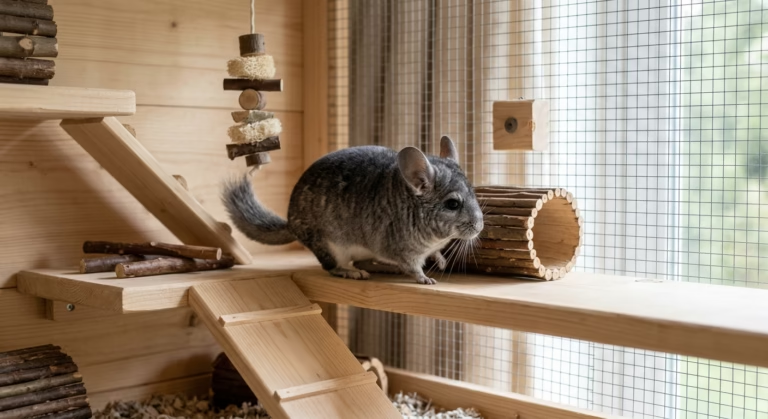
Chinchillas prefer cool, dry environments rather than hot weather. Their dense fur helps them cope with cold conditions, but it also makes overheating a serious risk. Veterinary guidance commonly recommends keeping pet chinchillas in a cool, stable room and avoiding temperatures approaching or exceeding 80°F (27°C).
Quick Answer: Do Chinchillas Like Hot or Cold?
Chinchillas are much better adapted to cool temperatures than heat. Their natural habitat is high in the Andes, where conditions are cool and dry. At home, the goal is not to make the room cold, but to provide a consistently cool, dry, well-ventilated environment.
- Cool is better than hot: Chinchillas are particularly vulnerable to overheating.
- Avoid temperatures above 80°F (27°C): Heatstroke can become a life-threatening emergency.
- Keep humidity controlled: Veterinary sources commonly recommend roughly 40–50% relative humidity.
- Watch the individual animal: Red ears, unusual lethargy, heavy breathing, weakness, or collapse can indicate heat stress.
Why Chinchillas Handle Cold Better Than Heat
Wild chinchillas live in mountainous regions of South America. Their extremely dense coat is an adaptation to cool conditions, but that same coat makes it difficult for them to get rid of excess body heat.
This is why a room that feels pleasantly warm to a person can become uncomfortable or dangerous for a chinchilla. PetMD and VCA both recommend keeping chinchillas in a cool environment and emphasize the risk of heatstroke when temperatures get too high.
What Temperature Is Best for a Chinchilla?
There is not one universal “perfect” number for every chinchilla or every home. Published veterinary guidance generally places the comfortable range in the mid-50s to around 70°F (13–21°C), with VCA giving 55–68°F (13–20°C) and PetMD giving 55–70°F (13–21°C).
The more important safety point is to prevent the room from becoming hot. Temperatures above 80°F (27°C) are dangerous territory and require immediate attention.
What About Humidity?
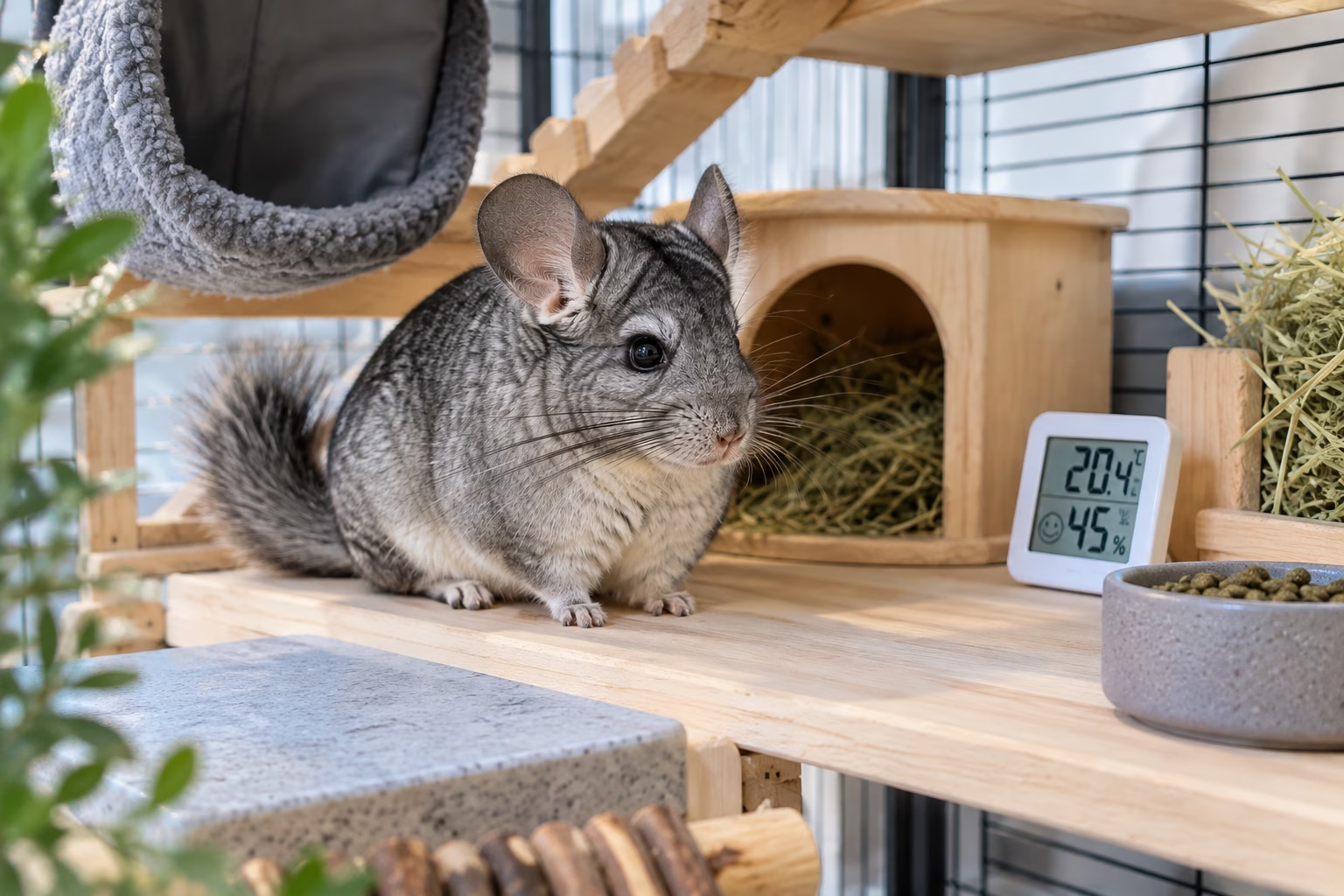
Chinchillas also do best in relatively dry conditions. VCA recommends approximately 40–50% relative humidity. High humidity combined with warm temperatures can make heat management more difficult and can also make the environment less suitable for a chinchilla’s dense coat.
A simple digital thermometer/hygrometer placed near the enclosure can help you notice changes before your chinchilla becomes uncomfortable.
Signs Your Chinchilla Is Too Hot
Pay attention to changes in behavior and appearance, especially during hot weather. Possible warning signs include:
- Very red or flushed ears
- Unusual lethargy or weakness
- Rapid or difficult breathing
- Drooling or other signs of severe distress
- Loss of coordination or collapse
Heatstroke is an emergency. If you suspect your chinchilla is overheating, move it to a cooler, quiet environment and contact an exotic-animal veterinarian immediately. Avoid putting a severely overheated animal into very cold water.
How to Keep a Chinchilla Cool in Hot Weather
- Use air conditioning when necessary: Keep the room at a safe, stable temperature rather than relying on last-minute cooling.
- Keep the cage out of direct sunlight: Sunlight can raise the temperature inside an enclosure quickly.
- Provide good ventilation: Air should circulate around the enclosure, but avoid strong drafts directly onto the animal.
- Provide fresh drinking water: Make sure clean water is always available.
- Monitor the room: A thermometer and hygrometer are more reliable than judging the temperature by how the room feels to you.
- Reduce strenuous activity during heat: Avoid unnecessary handling or intense play when the room is already warm.
Can Chinchillas Live in Cold Weather?
Chinchillas generally tolerate cool conditions well, provided they are healthy, dry, and protected from extreme exposure. Their dense fur is highly insulating. However, that does not mean a pet chinchilla should be left outdoors or exposed to uncontrolled winter temperatures.
For an indoor pet, a stable, cool room is preferable to large temperature swings. Keep the enclosure away from damp areas, direct drafts, and sudden environmental changes.
Do Chinchillas Need a Heater in Winter?
Usually, the first priority is to maintain a stable indoor environment rather than trying to make the enclosure warm. If your home becomes unusually cold, discuss the safest way to manage the temperature with an exotic-animal veterinarian.
Avoid placing heat lamps or other hot devices directly beside the cage. Chinchillas need protection from overheating just as much as they need protection from extreme cold.
Hot vs. Cold: Which Is the Bigger Risk?
| Condition | What it means for a chinchilla |
|---|---|
| Cool, stable room | Generally appropriate for a chinchilla’s normal environment. |
| Warm room | Monitor the temperature and humidity closely. |
| Approaching 80°F / 27°C | Heat risk is becoming serious; take steps to cool the environment. |
| Above 80°F / 27°C | Heatstroke risk is significant and the animal needs prompt protection from heat. |
| Cold but dry indoor conditions | Often better tolerated than excessive heat, but avoid extreme temperatures and drafts. |
Frequently Asked Questions
Do chinchillas prefer hot or cold weather?
They are better adapted to cool conditions and are much more vulnerable to excessive heat than to ordinary cool indoor temperatures.
What temperature is too hot for a chinchilla?
Temperatures above 80°F (27°C) are considered dangerous because chinchillas are highly susceptible to heatstroke.
Do chinchillas like cold rooms?
They generally tolerate cool conditions well, but a pet chinchilla should still live in a stable, dry, controlled indoor environment rather than being exposed to extreme cold.
What humidity is best for chinchillas?
VCA recommends approximately 40–50% relative humidity. Keeping the environment dry is especially important because chinchillas have exceptionally dense fur.
How can I tell if my chinchilla is overheating?
Red ears, unusual lethargy, breathing problems, weakness, or collapse can be warning signs. Suspected heatstroke requires prompt veterinary attention.
Bottom Line
Chinchillas prefer cool, dry conditions and are far more vulnerable to excessive heat than normal cool temperatures. Keep their environment stable, monitor both temperature and humidity, avoid temperatures above 80°F (27°C), and take any signs of heat stress seriously.