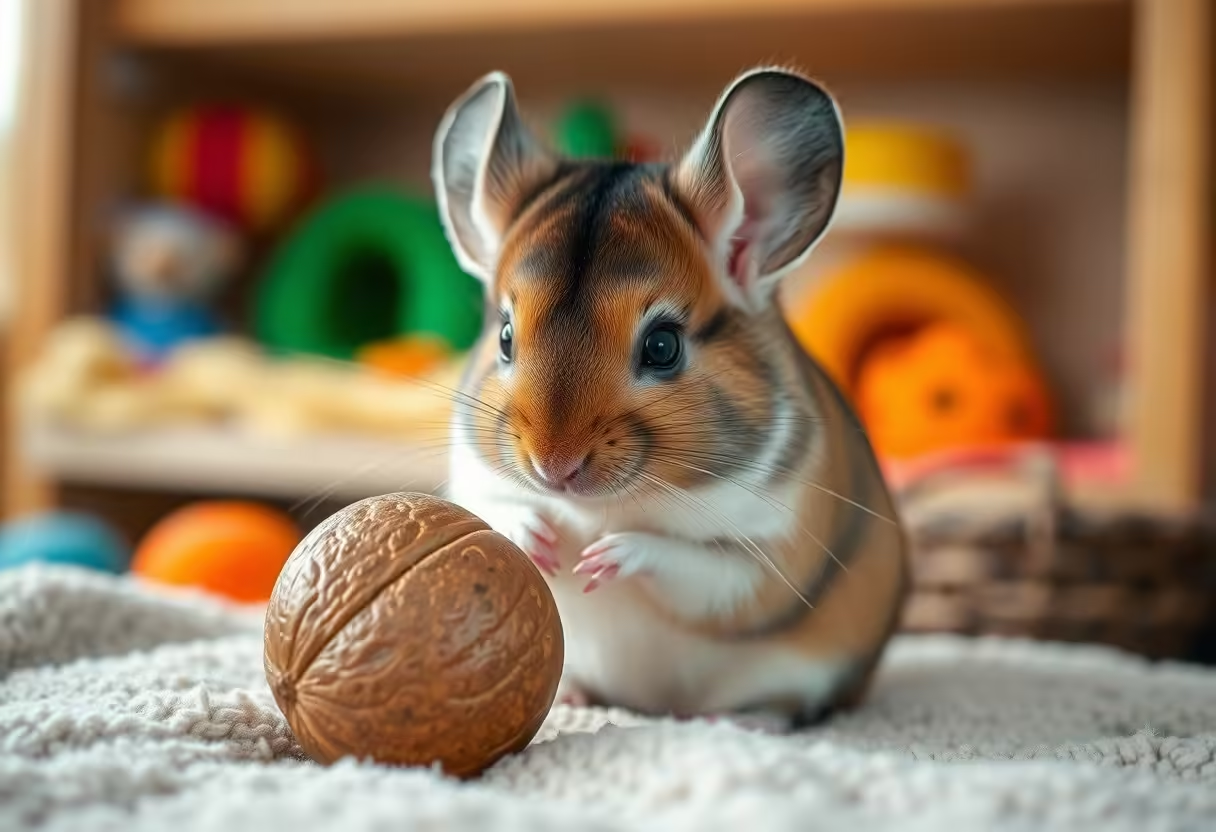
Can chinchillas eat walnuts? Walnuts are not a good routine food for pet chinchillas. Current veterinary guidance recommends a high-fiber, hay-based diet and specifically advises avoiding nuts because they are high in fat and can upset the digestive system. That does not mean a walnut is a poison, but it does mean walnuts are a poor fit for a chinchilla’s normal diet.
Quick answer
- Walnuts are not recommended: veterinary guidance from the RSPCA, Merck Veterinary Manual and VCA advises avoiding nuts for chinchillas.
- They are not established as a specific toxin: the concern is nutritional suitability and digestive upset, not a documented walnut-specific poison effect.
- There is no evidence-based walnut serving size: do not use a fixed amount such as a quarter walnut or one small piece as a routine treat.
- The main diet matters more: unlimited grass hay, an appropriate chinchilla pellet and fresh water should form the foundation of the diet.
Why are walnuts a poor fit for chinchillas?
Pet chinchillas are adapted to a high-fiber diet rather than a diet built around energy-dense foods. Merck Veterinary Manual says hay, especially long-strand grass hay such as timothy, is very important because it supplies fiber and encourages chewing. The same guidance says to avoid dried fruits, grains, seeds and nuts because they can upset a chinchilla’s stomach.
The RSPCA diet guidance also specifically says to avoid nuts and seeds because they are high in fat. VCA similarly states that diets containing seeds and nuts are not recommended for chinchillas because they are high in fat and low in nutritional value for these animals.
Walnuts are nutritious for people, but that does not make them suitable for chinchillas
Walnuts contain useful nutrients for humans, but human nutritional value is not the right test for a chinchilla treat. The USDA FoodData Central lists raw English walnuts as a food in its nutrient database. The important point for chinchilla care is that walnuts are a nut and therefore fall into the nut category that veterinary chinchilla diet guidance tells owners to avoid.
This is why it is better to avoid arguments such as “walnuts contain healthy fats, so a tiny amount must be healthy for a chinchilla.” There is no chinchilla-specific evidence establishing walnuts as a beneficial treat.
Are walnuts toxic to chinchillas?
Walnuts should not be described as a known chinchilla poison based on the veterinary sources reviewed for this article. The stronger evidence-based statement is that walnuts are not an appropriate routine food because nuts are high in fat and may upset the sensitive digestive system of a chinchilla.
This distinction matters. Calling a food “toxic” suggests that a particular chemical in that food is known to cause poisoning. The veterinary guidance reviewed here instead focuses on diet composition, fat content and digestive tolerance.
What if my chinchilla ate a walnut?
If your chinchilla accidentally ate a small piece of walnut, remove the remaining nut and return to the normal diet. Do not give more walnuts to test whether the chinchilla tolerates them, and do not replace hay or pellets with extra treats.
Watch normal eating, drinking and droppings. Chinchillas can develop digestive problems after inappropriate fresh foods or sudden diet changes. Merck Veterinary Manual notes that diarrhea, soft feces and other gastrointestinal problems can occur with inappropriate feeding or sudden dietary changes.
Contact an exotic-animal veterinarian promptly if your chinchilla stops eating, becomes unusually lethargic, has diarrhea, produces markedly fewer or no droppings, develops breathing difficulty, or shows another significant change in health. The RSPCA health guidance specifically advises contacting a vet when eating, drinking or droppings change.
What should a chinchilla eat instead?
The safest approach is to build the diet around foods that veterinary sources actually recommend rather than trying to find a nut that is “safe enough.”
- Grass hay: keep good-quality hay available at all times. It provides fiber and supports normal tooth wear.
- Chinchilla pellets: use a complete pellet formulated for chinchillas as a supplement to hay.
- Fresh water: provide clean drinking water continuously.
- Fresh foods: if your veterinarian recommends them, introduce appropriate fresh vegetables slowly and in small amounts.
- Treats: treats are optional and should not displace the hay-based diet.
Do not replace walnuts with other nuts
The same reasoning applies to other common nuts. Almonds, peanuts, pecans, pistachios and similar foods should not be treated as automatically safe simply because they are different from walnuts. The VCA feeding guidance for rodents specifically includes nuts and seeds among foods not recommended for chinchillas.
What about wild chinchillas eating nuts?
You may see claims that wild chinchillas eat nuts, seeds or many different plant foods. Natural-diet information can provide useful context, but it does not automatically translate into a suitable pet diet. Captive chinchillas live in a very different environment and have a controlled food supply. Veterinary recommendations for pet chinchillas emphasize a high-fiber diet based mainly on grass hay.
Research and further reading
- Merck Veterinary Manual: Diet for a Chinchilla
- Merck Veterinary Manual: Chinchillas
- RSPCA: What to Feed a Pet Chinchilla
- VCA: Chinchillas – Feeding
- USDA FoodData Central: English Walnuts
Frequently asked questions
Can chinchillas eat walnuts?
Walnuts are not recommended for pet chinchillas. Veterinary guidance advises avoiding nuts because they are high in fat and can upset the digestive system.
Are walnuts poisonous to chinchillas?
Walnuts are not established as a specific chinchilla toxin in the veterinary sources reviewed. They are better described as an unsuitable food rather than a known poison.
How much walnut can a chinchilla eat?
There is no evidence-based chinchilla-specific walnut serving size. Because veterinary guidance recommends avoiding nuts, a routine serving should not be created from an internet rule.
What should I do if my chinchilla ate a walnut?
Remove the remaining walnut, return to the normal diet and monitor eating, drinking and droppings. Seek veterinary advice if your chinchilla stops eating, becomes unusually weak, develops diarrhea or has markedly reduced or absent droppings.
Bottom line
Walnuts are best left out of a pet chinchilla’s diet. The evidence does not support calling them a specific poison, but veterinary guidance consistently points owners toward a high-fiber, hay-centered diet and away from nuts. There is also no reliable chinchilla-specific walnut portion that would justify recommending them as a routine treat.