Chinchillas can develop dental, digestive, respiratory, skin and fur, heat-related, and injury problems. The most useful thing an owner can do is learn what is normal for their own chinchilla and notice changes in eating, drinking, droppings, activity, breathing, posture, weight, and appearance. Chinchillas may hide signs of illness, so a small change can be worth taking seriously.
This guide focuses on signs owners can recognize, common health concerns documented in veterinary references, prevention, and when veterinary care is needed. It is not a substitute for an examination by a veterinarian experienced with exotic mammals.
Quick Answer: What Health Problems Should Chinchilla Owners Watch For?
- Dental disease: Watch for reduced appetite, weight loss, drooling, wet fur around the mouth, difficulty eating, or reduced droppings.
- Digestive problems: Changes in appetite, diarrhea, soft feces, abdominal discomfort, or reduced/no droppings need attention.
- Respiratory problems: Fast or labored breathing, nasal or eye discharge, and marked lethargy warrant veterinary assessment.
- Heat stress: Chinchillas are sensitive to heat and can develop heatstroke above about 80°F (27°C), especially with high humidity.
- Skin and fur problems: New fur loss, fur chewing, abnormal skin, or persistent coat changes should be investigated rather than automatically blamed on stress.
- Injuries: Limping, difficulty walking, foot sores, broken nails, wounds, or sudden changes after a fall require attention.
1. Dental Disease
Dental disease is an important health concern in chinchillas because their teeth grow continuously. Veterinary references describe crown and root abnormalities of the cheek teeth as common, and dental problems can become serious before an owner notices obvious difficulty eating.
Signs can include reduced food intake, weight loss, reduced fecal output, a change toward easier-to-chew foods, drooling, wet or crusted fur around the chin, eye discharge, poor coat condition, or difficulty closing the mouth.
Hay is important because chewing and grinding help wear down continuously growing teeth. Current veterinary guidance recommends unlimited hay as a core part of the diet. Safe wooden chew items can provide additional chewing opportunities, but they do not replace hay.
If dental disease is suspected, a veterinary examination is important. A normal-looking mouth does not necessarily rule out deeper dental disease, and more detailed examination or imaging may be required.
2. Digestive and Gastrointestinal Problems
Chinchillas have a fiber-dependent digestive system, and gastrointestinal problems can develop after inappropriate foods, sudden dietary changes, inadequate fiber, dehydration, dental disease, infection, or other underlying illness.
Watch for reduced appetite, smaller or fewer droppings, no droppings, diarrhea, soft or sticky feces, lethargy, a hunched posture, or a painful or distended abdomen. Bloat can develop rapidly and can cause a painful, distended abdomen and breathing difficulty.
Do not rely on a home-treatment protocol when a chinchilla has significant digestive symptoms. The underlying cause matters, and veterinary assessment may be needed to distinguish dietary upset from dental disease, infection, obstruction, dehydration, or another problem.
For prevention, make dietary changes gradually and keep good-quality grass hay available. Current veterinary guidance emphasizes hay as a major source of fiber and recommends introducing new foods slowly.
3. Respiratory Problems
Respiratory signs can have different causes, so they should not automatically be blamed on drafts, humidity, or poor ventilation. Important warning signs include fast or labored breathing, nasal discharge, eye discharge, marked lethargy, coughing, or an obvious change in normal breathing.
A chinchilla having difficulty breathing needs prompt veterinary assessment. Avoid starting antibiotics or other medicines without veterinary direction because not every medication is safe for chinchillas.
Good housing still matters: keep the enclosure clean, dry, well ventilated, and away from direct heat and excessive humidity.
4. Heat Stress and Heatstroke
Chinchillas are much more tolerant of cold than heat. Merck Veterinary Manual states that chinchillas are adapted to approximately 65–80°F (18.3–26.7°C) and that exposure above this range, particularly with high humidity, can result in heatstroke.
| Temperature | What it means |
|---|---|
| 65–80°F (18.3–26.7°C) | Merck’s stated adapted ambient range |
| Above about 80°F (27°C) | Heatstroke risk increases, especially with high humidity |
Keep the enclosure cool, dry, shaded, and away from direct sunlight. Monitor room temperature during hot weather.
If you suspect heatstroke, treat it as an emergency and contact an exotic-pet veterinarian or emergency clinic immediately. Do not delay professional care while experimenting with home cooling methods.
5. Skin, Fur Loss, and Fur Chewing
Changes in a chinchilla’s coat can have several causes. Fur chewing, missing fur, abnormal skin, or persistent coat changes should not automatically be labeled as boredom or stress.
Ringworm is a documented fungal infection in chinchillas and can cause hair loss. However, several skin and coat problems can look similar. A veterinarian can help determine the cause.
Fur slip is different from disease. It is a protective reaction in which a chinchilla releases a large patch of fur, and it can occur after improper handling, fighting, or intense excitement. Gentle handling helps reduce this risk.

6. Injuries, Feet, and Mobility Problems
Chinchillas can suffer injuries involving the toes, legs, feet, or other parts of the body. Watch for limping, difficulty walking, an abnormal gait, foot sores, broken nails, swelling, wounds, or reluctance to move.
Safe housing reduces avoidable injury risks. Cage openings should be appropriately sized, and chinchillas should have solid areas where they can rest their feet.
If an injury occurs, handle the chinchilla gently and arrange veterinary assessment. Avoid attempting to diagnose a fracture or giving human pain medicine at home.
7. Eye, Nose, and Mouth Warning Signs
Look for changes around the eyes, nose, and mouth. Eye or nose discharge, a wet chin, excessive drooling, difficulty eating, or changes in the teeth can be clues to dental, respiratory, infectious, or other problems.
Merck recommends looking for bright, clear eyes and checking for discharge, wounds, missing fur, and wet fur around the mouth or chin.
8. Parasites and Infectious Disease
Current Merck guidance notes that the incidence of infectious disease in pet chinchillas is low, although individual animals can still develop infections.
Ringworm can cause hair loss. Giardia can occur in chinchillas and has potential zoonotic significance. Recurring diarrhea, appetite loss, declining body condition, or unexplained coat changes should be evaluated rather than treated based on appearance alone.
Do not use parasite or antimicrobial medication without veterinary guidance. Treatment depends on the organism, the chinchilla’s condition, and diagnostic findings.
9. What Should You Check Every Day?
- Appetite: Is your chinchilla eating normally?
- Droppings: Are the number, size, and appearance broadly normal?
- Water: Is your chinchilla drinking normally?
- Activity: Is its normal evening or nighttime behavior unchanged?
- Breathing: Is breathing quiet and normal?
- Coat and skin: Are there new bald patches, wet fur, or obvious skin changes?
- Movement: Is your chinchilla walking, climbing, and using its enclosure normally?
- Eyes, nose, and mouth: Is there any new discharge, drooling, or wetness?
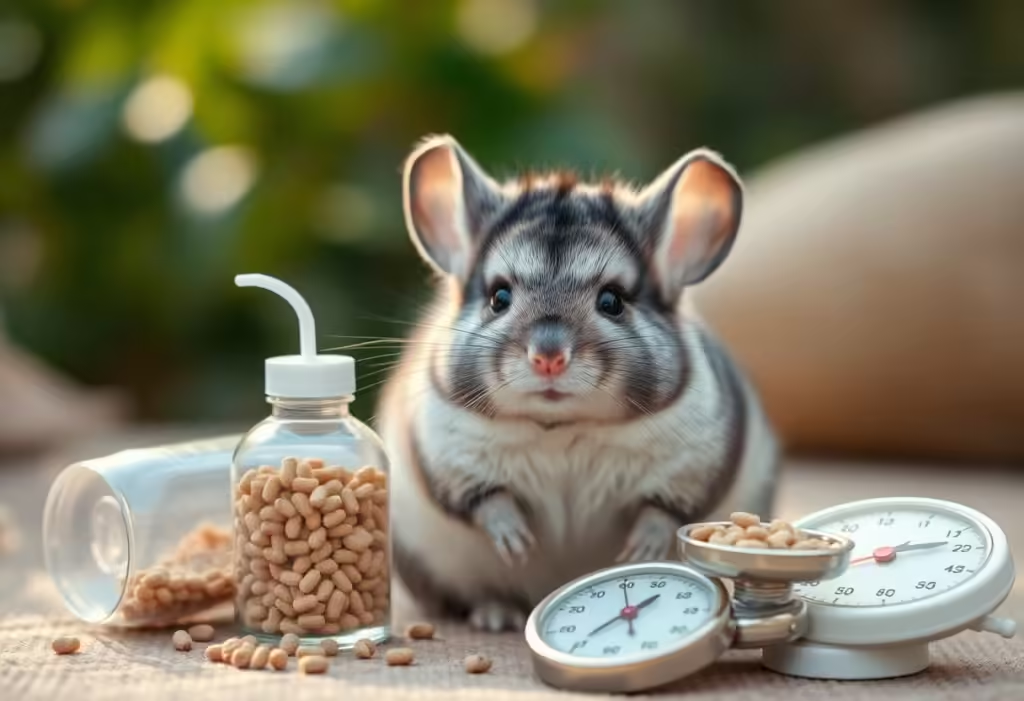
Keeping track of your chinchilla’s normal weight can also make gradual changes easier to notice.
When Should You Contact a Veterinarian?
Contact a veterinarian promptly if your chinchilla stops eating, has very few or no droppings, has difficulty breathing, becomes unusually weak or unresponsive, develops significant diarrhea, shows obvious pain, has difficulty walking, develops a swollen jaw, has persistent eye or nose discharge, or may be suffering from heatstroke or a serious injury.
Chinchillas can deteriorate quickly when they are not eating or when serious illness affects the gastrointestinal system. If you are unsure whether a change is significant, contacting an exotic-pet veterinarian is safer than waiting.
Preventing Common Health Problems
- Provide unlimited good-quality grass hay and an appropriate chinchilla diet.
- Introduce new foods gradually.
- Keep fresh water available and clean the water system regularly.
- Maintain a cool, dry enclosure and monitor temperature during hot weather.
- Provide safe housing with appropriate flooring, platforms, hiding areas, and equipment.
- Use appropriate chinchilla dust and avoid excessive dust-bath exposure.
- Handle your chinchilla calmly to reduce stress and the risk of fur slip.
- Arrange routine veterinary care with a veterinarian experienced with chinchillas or other exotic mammals.
Research & Further Reading
Merck Veterinary Manual — Routine Health Care for Chinchillas
Merck Veterinary Manual — Chinchillas
Merck Veterinary Manual — Diet for a Chinchilla
Merck Veterinary Manual — Providing a Home for a Chinchilla
Merck Veterinary Manual — Selecting a Chinchilla
FAQ
What is the most important health problem to watch for in a chinchilla?
Dental disease is an important concern because chinchilla teeth grow continuously. Reduced appetite, weight loss, drooling, wet chin fur, difficulty eating, and reduced droppings can be warning signs.
What are signs that a chinchilla is sick?
Important signs include weight loss, hunched posture, scruffy fur, trouble breathing, difficulty walking, reduced appetite, very low energy, reduced or abnormal droppings, and eye or nose discharge.
What temperature is too hot for a chinchilla?
Merck Veterinary Manual states that chinchillas are adapted to about 65–80°F (18.3–26.7°C) and that temperatures above 80°F (27°C), especially with high humidity, can cause heatstroke.
Can I treat my chinchilla at home if it is sick?
Home observation can help you recognize changes, but suspected serious illness should be assessed by a veterinarian. Do not give antibiotics, pain medicines, or other treatments unless a veterinarian directs you to do so.
Why is my chinchilla not eating or producing fewer droppings?
Reduced appetite or fecal output can occur with digestive disease, dental disease, dehydration, dietary changes, infection, or other problems. Because these changes can become serious, contact a veterinarian promptly.