Chinchillas should not be bathed in water. Their extremely dense fur is not designed to become soaked, and current veterinary guidance recommends dust bathing rather than water bathing. If your chinchilla gets wet accidentally, the goal is to remove surface moisture gently, avoid overheating, and seek veterinary advice when the wetting is significant or the animal is unwell.
Why Chinchillas Should Not Get Wet
Chinchillas have exceptionally dense fur. Veterinary guidance recommends special chinchilla dust for grooming instead of water baths because moisture can remain trapped in the coat and contribute to matting and skin problems.
What to Do If Your Chinchilla Gets Wet Accidentally
- Stay calm. Handle your chinchilla gently and avoid chasing it around the cage.
- Blot the fur. Use a clean, absorbent towel and gently press against the wet areas. Do not scrub or vigorously rub the coat.
- Keep the environment dry and comfortable. Move your chinchilla away from drafts and moisture.
- Avoid direct high heat. Do not use a hot hair dryer, heating pad, radiator or other strong heat source. Chinchillas are highly sensitive to overheating.
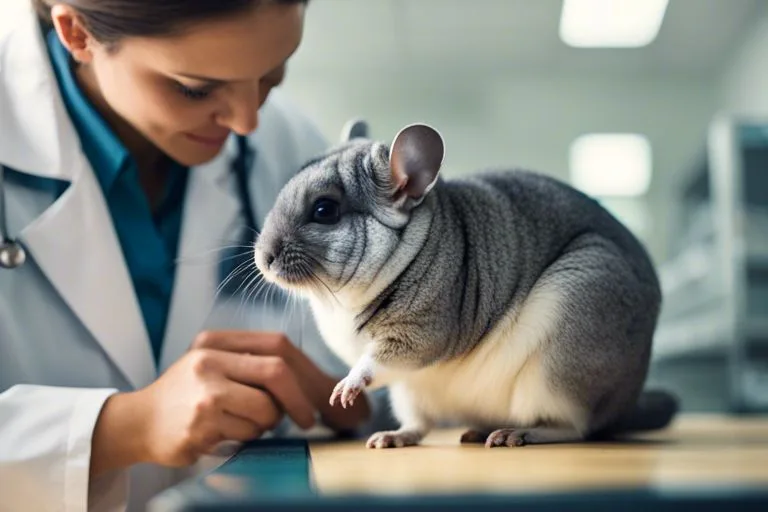
- Contact an exotic-animal veterinarian for significant wetting. This is especially important if a large part of the coat is soaked, the fur remains damp, the skin looks abnormal, or the chinchilla seems weak, cold or distressed.
Can I Use a Hair Dryer?
Do not use a hot hair dryer on a chinchilla. Veterinary sources emphasize avoiding heat because chinchillas are highly susceptible to heat stress. If your chinchilla is substantially wet, ask an experienced exotic-animal veterinarian what drying method is appropriate rather than relying on a fixed internet distance or temperature.
What If the Fur Is Wet With Urine, Diarrhea or Another Contaminant?
Contaminated fur is different from a small accidental splash. Urine staining, diarrhea stuck to the coat, persistent wetness around the mouth, or another source of contamination can point to an underlying health or husbandry problem. Merck notes that wet fur around the chin can occur with dental disease, while changes in droppings or appetite can signal gastrointestinal illness.
Contact your veterinarian rather than trying repeated water baths at home.
What Should I Use for Normal Chinchilla Grooming?
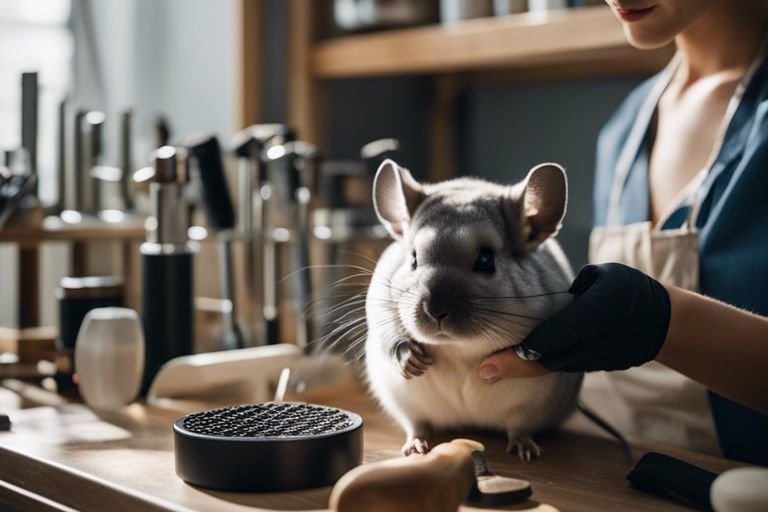
Use a commercially prepared dust made for chinchillas. Merck recommends a dust bath for maintaining healthy skin and fur, while RSPCA guidance also recommends regular access to a suitable dust bath. Remove the bath after the session so it does not become soiled.
When Is a Wet Chinchilla an Emergency?
Seek veterinary help promptly if your chinchilla is very weak, unusually cold, struggling to breathe, unable to move normally, severely distressed, or remains substantially wet despite gentle drying. Also seek advice if the wetting came from urine, diarrhea, chemicals or another contaminant.
Frequently Asked Questions
Can chinchillas get wet?
They can become wet accidentally, but they should not be routinely bathed in water. Their dense fur makes water bathing a poor grooming method.
Can I bathe a chinchilla with shampoo?
No. Do not use human or other-animal shampoo as a routine chinchilla grooming product. Use a chinchilla-specific dust bath instead.
How long does a wet chinchilla take to dry?
There is no reliable universal drying time because it depends on how wet the coat is, the environment and the individual animal. Do not rely on a fixed “one to two hours” rule; ask a veterinarian if the coat is substantially wet or remains damp.
Bottom Line
Do not intentionally wet or water-bathe a chinchilla. If an accident happens, gently blot the fur, keep the animal calm and away from drafts and strong heat, and contact an experienced exotic-animal veterinarian when the wetting is substantial or the chinchilla shows any concerning signs.
Research: Merck Veterinary Manual, VCA Animal Hospitals, and RSPCA chinchilla care guidance.