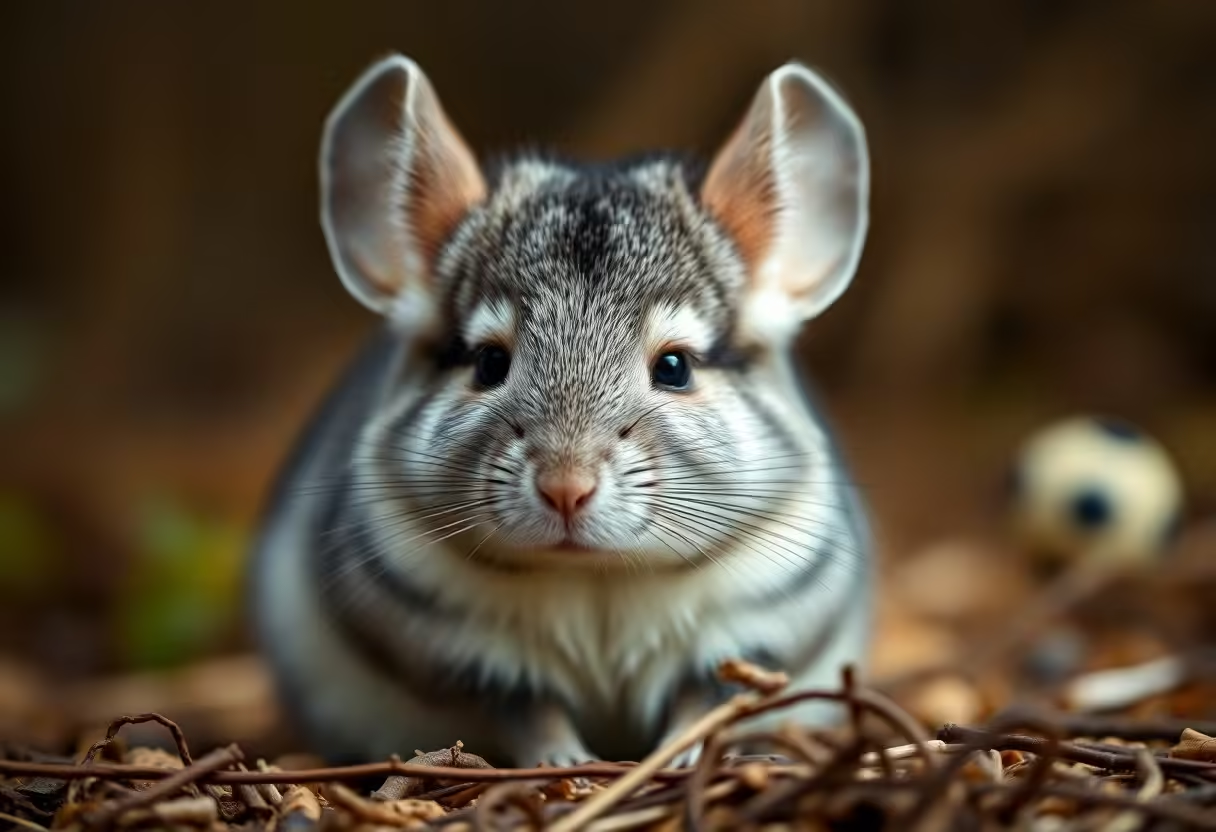
Chinchillas can show pain, but the signs may be subtle and can overlap with fear, stress, or illness. Current veterinary guidance emphasizes watching for changes from your chinchilla’s normal behavior, eating, activity, posture, breathing, and grooming. A chinchilla that is not eating, is much quieter than usual, or shows other concerning changes should be assessed by a veterinarian rather than treated at home. RSPCA health guidance specifically notes that chinchillas may not show obvious outward signs of pain.

Key Signs and Symptoms of Pain in Chinchillas
Recognizing pain in chinchillas requires understanding both physical and behavioral indicators. Here are the most common signs:
Physical and Behavioral Warning Signs
- Reduced appetite or a change in food preference: Dental disease can make chewing painful, and Merck notes that affected chinchillas may eat less or prefer easier-to-chew foods.
- Less activity, a hunched posture, or difficulty moving: These changes are important when they are new or persistent, but they do not identify one specific cause by themselves.
- Drooling or wet fur around the mouth: This can be associated with dental disease and needs veterinary assessment.
- Breathing changes, eye or nose discharge, weight loss, or very low energy: These are broader illness warning signs that can accompany discomfort and should not be ignored.
- Changes in normal behavior: Hiding, reluctance to move, changes in feeding or toileting, or unusual vocalization can occur with stress, fear, illness, or pain.
Behavioral Changes:
- Reduced Movement: A chinchilla in pain may become lethargic, avoid play, and show a general lack of enthusiasm.
- Loss of Appetite: Pain, especially in the mouth, can lead to a decrease in eating. This is often associated with malocclusion, a common dental issue in chinchillas.
- Social Withdrawal: Chinchillas are naturally social, so increased hiding or self-isolation can be a red flag.
- Refusal to Be Handled: If a chinchilla avoids being picked up or reacts aggressively, it may be trying to avoid additional discomfort.
Why Chinchillas Hide Pain
Chinchillas are not always obvious when they are unwell. The RSPCA notes that they are not good at showing outward signs of pain, and changes in normal behavior can be an early indication of illness or discomfort. That means the most useful comparison is your own chinchilla’s normal routine: appetite, activity, droppings, posture, grooming, and behavior during its usual active period.
Recognizing Severe Pain Symptoms
Certain symptoms require immediate veterinary care. These include:
- Complete Refusal to Eat: If your chinchilla stops eating entirely, it could indicate severe dental pain, gastrointestinal issues, or other serious health concerns.
- Persistent Teeth Grinding: Frequent, intense grinding can signify continuous pain.
- Rapid Weight Loss and Lethargy: Significant weight loss coupled with extreme inactivity suggests critical health issues.
If any of these signs appear, seek veterinary assistance promptly, as chinchillas can deteriorate rapidly without proper care.
When to Seek Veterinary Help
Contact a veterinarian promptly if your chinchilla is not eating, is unusually quiet or weak, has trouble breathing, has very little or no fecal output, is losing weight, has discharge from the eyes or nose, has a wet mouth or chin, or has difficulty walking. These signs can have different causes, including dental, digestive, respiratory, or injury-related problems. Do not give human medicines or another animal’s medication unless a veterinarian has specifically prescribed it for your chinchilla.
Merck also notes that dental disease is common in chinchillas and can cause decreased food intake, weight loss, reduced fecal output, and saliva-stained fur.
Preventing Pain and Discomfort in Chinchillas
Ensuring a comfortable environment and appropriate care can reduce the likelihood of pain:
- Feed an appropriate high-fiber diet: Unlimited good-quality grass hay is central to chinchilla care, with an appropriate chinchilla pellet as a supplement. Introduce dietary changes slowly.
- Keep the environment cool and dry: Merck lists 65–80°F (18.3–26.7°C) as the adapted ambient range and warns that higher temperatures, especially with high humidity, can lead to heatstroke.
- Ensure Dental Health: Provide chew toys to help prevent dental overgrowth, which can cause malocclusion and pain.
- Schedule Regular Check-Ups: Routine veterinary visits allow for early detection of health issues, ensuring timely treatment.
Daily Check-Up Routine
To keep your chinchilla healthy and pain-free, incorporate a simple daily check-up:
- Observe physical signs like hunched posture or teeth grinding.
- Check for changes in behavior, such as social withdrawal or reduced movement.
- Monitor eating habits by ensuring they consume their typical amount of food each day.
Regular observation helps you notice early symptoms, allowing you to seek veterinary care if needed.
Research & Further Reading
For the veterinary guidance behind this article, see:
- Merck Veterinary Manual: Routine Health Care for Chinchillas
- Merck Veterinary Manual: Chinchillas
- RSPCA: Chinchilla Health & Welfare Tips
Final Thoughts
Chinchillas, while adept at hiding pain, do show subtle signs that can alert attentive owners. By observing their physical and behavioral changes—such as teeth grinding, loss of appetite, and a hunched posture—you can detect discomfort early and seek professional help. Prioritizing preventive care, a balanced diet, and a stress-free environment enhances your chinchilla’s quality of life, ensuring they remain healthy and comfortable.
FAQ
Q: Do chinchillas show pain in a way that’s noticeable to their owners?
A: Yes, chinchillas show pain in subtle ways due to their instinct to hide vulnerability. Common signs include changes in usual habits, such as reduced activity, avoidance of interaction, or changes in grooming. Owners should watch for unusual behaviors that differ from their chinchilla’s normal routine.
Q: What are some common signs that my chinchilla may be in pain?
A: Common signs of pain in chinchillas include:
Decreased appetite
Increased aggression or irritability
Hunched posture
Vocalizations such as whining or grinding teeth
Reluctance to move or interact with people or their environment
Q: What should I do if I suspect my chinchilla is in pain?
A: Consult a veterinarian specializing in exotic pets if you suspect your chinchilla is in pain. A professional can diagnose any issues and recommend appropriate treatments. Early detection improves the likelihood of a quick recovery.
Q: How can I prevent my chinchilla from experiencing pain?
A: Preventative care is essential for keeping chinchillas healthy and pain-free. To reduce the risk of health issues:
Provide a balanced diet of high-quality hay and pellets
Create a safe environment with ample space
Maintain hygiene in their cage
Schedule regular veterinary check-ups
Observing your chinchilla’s behavior and acting quickly can prevent minor issues from becoming serious.
Q: Can chinchillas experience chronic pain, and how would I know?
A: Yes, chinchillas can experience chronic pain from conditions like arthritis or dental problems. Signs of chronic pain include persistent behavior changes, such as:
Continuous lethargy
Difficulty chewing
Consistent vocalizations that indicate discomfort
Regular veterinary evaluations are crucial for managing chronic pain and ensuring your chinchilla’s comfort.