Chinchillas are not limited to the familiar gray coat. Pet chinchillas occur in several coat-color varieties produced through selective breeding, while the underlying species remains the same. Current veterinary guidance from the Merck Veterinary Manual describes the original wild coat as mottled yellow-gray and lists dark blue-gray, beige, white, ebony, sapphire, violet, charcoal, and velvet among colors found in domestic chinchillas.
Quick answer: What colors can chinchillas be?
- Standard gray: the familiar blue-gray or dark blue-gray coat.
- Beige: a light warm tan or beige color.
- White: a very pale or white coat, with eye color varying with inherited traits.
- Ebony: a dark coat variety.
- Violet: a lighter, diluted gray-toned variety.
- Sapphire: a diluted blue-gray appearance.
- Charcoal: a darker gray or charcoal-toned variety.
- Velvet: a recognized domestic color variety associated with darker, strongly shaded fur.
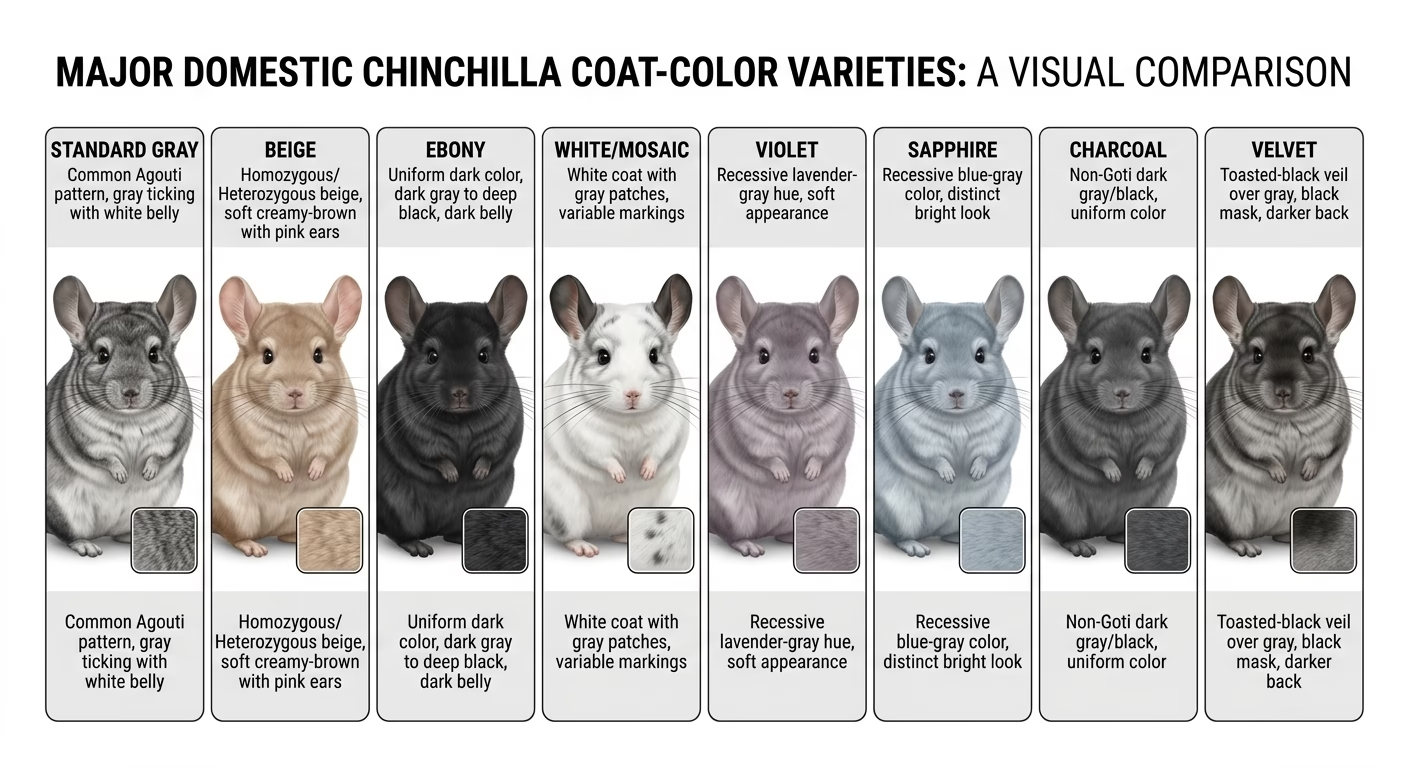
Why do chinchillas have different colors?
Coat color is primarily a genetic trait. Selective breeding has produced the wide range of colors seen in domestic chinchillas. The Merck Veterinary Manual specifically notes that several domestic colors emerged through selective breeding and distinguishes dominant color categories from recessive ones.
More broadly, mammalian coat pigmentation depends on how pigment is produced, distributed, and regulated in hair and skin. A scientific review of mammalian coat pigmentation explains that coat-color variation is linked to the quantity, quality, and distribution of melanin and to interactions among pigmentation genes. That general biological principle helps explain inherited coat differences, but it should not be used to assign a specific gene or breeding outcome to a chinchilla without evidence for that particular color variety.
Read the scientific review on the genetics and evolution of mammalian coat pigmentation.
Common chinchilla coat colors explained
1. Standard gray
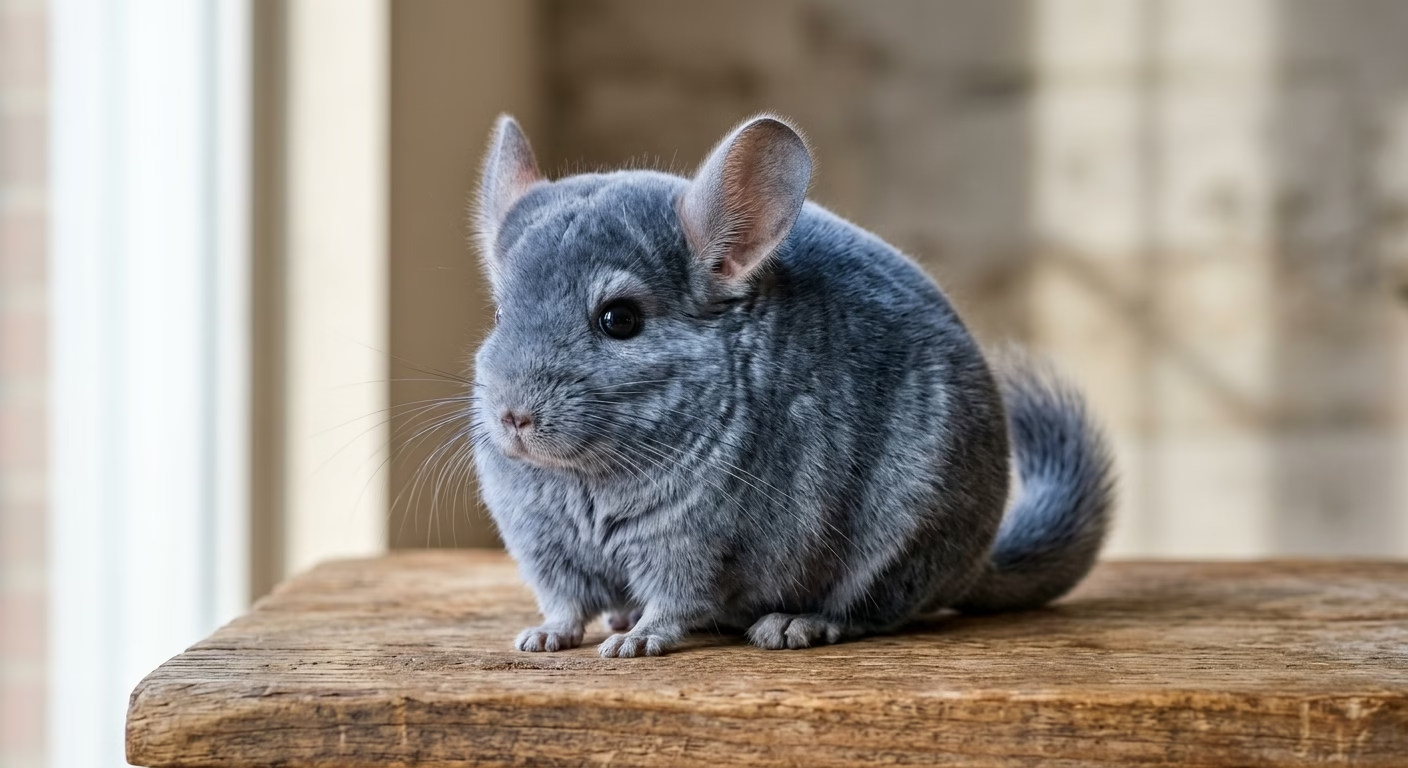
Standard gray is the classic chinchilla appearance most people picture first. Merck describes the common domestic color as dark blue-gray and notes that wild chinchillas originally had mottled yellow-gray fur.
The exact shade can look different under indoor lighting or in photographs, so a gray chinchilla may appear lighter, darker, or slightly bluish depending on the setting. That does not mean the animal has changed color.
2. Beige
Beige chinchillas have a warm tan or beige appearance rather than the cooler gray of a standard. Beige is one of the domestic colors specifically listed by Merck.
Different beige chinchillas can vary in overall shade and pattern. It is better to describe the coat you can actually see than to assume every beige animal has exactly the same coloration.
3. White
White is another domestic color recognized in veterinary references. White chinchillas may have very little visible pigment in the coat, while the eyes can differ according to the animal’s inherited color traits.
Coat color should not be treated as a health diagnosis. A white or very pale coat does not, by itself, mean that a chinchilla has a skin disorder or allergy.
4. Ebony
Ebony chinchillas have a much darker overall coat than the standard gray type. Ebony is listed by Merck among the dominant domestic color categories.
Because chinchilla coats contain extremely dense fur, the visual impression can vary with lighting and with how dark the individual coat is. Coat appearance alone is not a reliable way to infer a specific genetic combination.
5. Violet
Violet is one of the recessive color varieties listed in the Merck Veterinary Manual. The name describes the characteristic diluted gray appearance used for this color variety; it does not mean the fur is literally purple.
6. Sapphire
Sapphire is another recessive color variety recognized by Merck. It generally has a softer, diluted blue-gray appearance compared with a standard gray.
Individual animals can still vary in shade, so photographs should be treated as examples rather than a precise color standard.
7. Charcoal
Charcoal is listed by Merck as a recessive domestic color variety. The name is generally used for a dark gray or charcoal-toned appearance.
“Charcoal” is a coat-color description, not a separate chinchilla species or breed.
8. Velvet
Velvet is also included among the recessive domestic color varieties in the current Merck reference. Chinchilla enthusiasts may use more specific names for particular velvet combinations, but those terms should not be confused with separate species.
Are different chinchilla colors different species?
No. Coat color does not create a different species. The current Merck Veterinary Manual identifies domestic chinchillas as Chinchilla lanigera. Color varieties are produced within the domestic population through inherited traits and selective breeding.
This is also why “chinchilla breed” and “chinchilla color” should not automatically be treated as the same thing. If you are researching species, wild versus domestic chinchillas, or long-tailed versus short-tailed chinchillas, see our separate guide to the different types of chinchillas.
Chinchilla colors vs. coat patterns
Color and pattern are related but are not always interchangeable terms. A chinchilla may have a base color while also showing lighter or darker areas across the body. Hobby terminology can also describe combinations using words such as mosaic.
For a general pet-owner guide, the safest approach is to describe the visible coat and use established color names rather than assuming that every visual variation represents a separate genetic type.
Does diet or sunlight change a chinchilla’s natural color?
There is not enough evidence in the veterinary sources reviewed here to support the old claim that ordinary sunlight or diet determines a healthy chinchilla’s genetic coat color. Genetics and selective breeding are the appropriate explanation for the inherited color varieties discussed above.
That does not mean nutrition and husbandry are irrelevant to the coat. A sick or poorly maintained chinchilla can develop changes in fur quality or condition, but that is different from saying that diet can create a new inherited color.
Are some chinchilla colors healthier than others?
Coat color alone should not be used to decide whether a chinchilla is healthy. The Merck Veterinary Manual’s guidance on selecting a chinchilla recommends looking at the animal’s eyes, teeth, fur, body condition, and general behavior when assessing health.
For example, watery eyes, discharge, wet fur around the mouth, missing fur, wounds, or other physical abnormalities deserve attention regardless of whether the chinchilla is gray, beige, white, ebony, or another color.
What is the rarest chinchilla color?
There is no reliable veterinary ranking in the sources reviewed here that establishes one domestic coat color as the rarest. Availability can vary by breeder, country, breeding population, and time. It is therefore better to describe colors as recognized varieties rather than claim that one is definitively the rarest without a defined population and data set.
Can chinchillas change color as they grow?
A chinchilla’s coat can look different as it matures, sheds, or regrows. Merck also notes that after fur slip, the new fur can sometimes grow back a different shade. That is different from a genetic color variety changing into another variety.
Lighting, camera processing, wetness, dust, and the angle of dense fur can also change how a coat looks in a photograph.
Chinchilla color chart
| Color variety | General appearance | Merck classification |
|---|---|---|
| Standard / dark blue-gray | Classic gray to blue-gray coat | Dominant |
| Beige | Warm tan or beige | Dominant |
| White | Very pale or white coat | Dominant |
| Ebony | Dark overall coat | Dominant |
| Violet | Soft diluted gray appearance | Recessive |
| Sapphire | Diluted blue-gray appearance | Recessive |
| Charcoal | Dark charcoal-gray appearance | Recessive |
| Velvet | Darkly shaded coat variety | Recessive |
The table summarizes the broad categories listed by the current Merck Veterinary Manual. Breeder terminology can be more detailed, and individual coats can vary in shade.
Does coat color affect everyday care?
For normal pet care, color is not a reason to create a completely different diet or housing routine. Chinchillas still need appropriate hay-based nutrition, fresh water, suitable housing, dust bathing, and gentle handling regardless of coat color.
What matters more is the individual animal’s health and environment. If you notice a sudden change in fur quality, bald areas, persistent wetness, skin abnormalities, reduced appetite, or a change in behavior, the color of the coat should not be used to explain the problem away. A veterinarian can determine whether there is an underlying medical or husbandry issue.
Bottom line
Pet chinchillas come in a range of inherited coat colors. The current Merck Veterinary Manual recognizes dark blue-gray, beige, white, ebony, sapphire, violet, charcoal, and velvet among domestic chinchilla colors. These are color varieties within domestic chinchillas, not separate species.
The most useful way to understand chinchilla colors is to separate documented color varieties from breeder terminology and internet claims. Genetics and selective breeding explain the inherited differences; ordinary diet and sunlight should not be presented as ways to create or change a chinchilla’s genetic color.