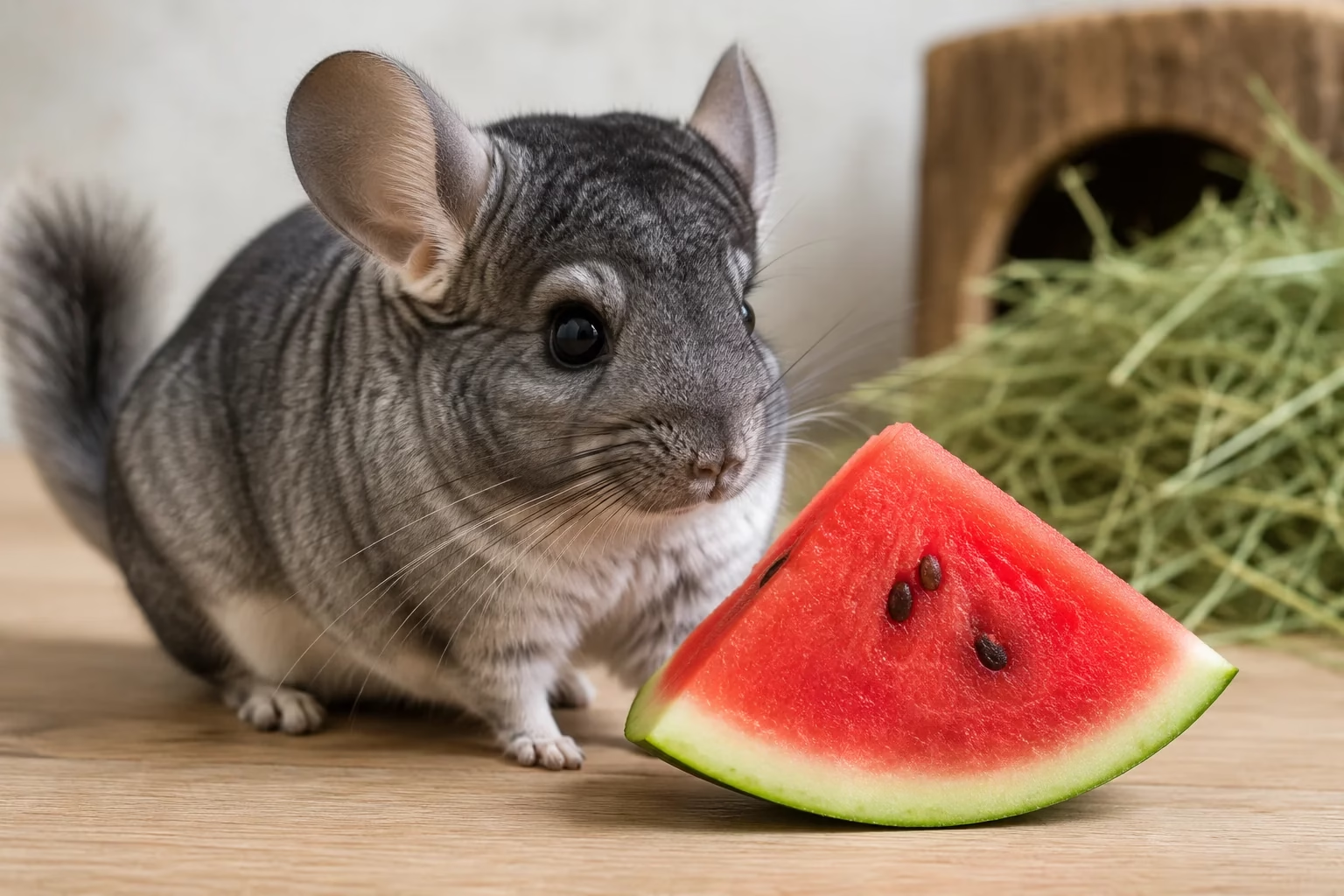
Can Chinchillas Eat Watermelon? Why This Juicy Fruit Is Best Avoided

Watermelon looks like a refreshing treat, especially during hot weather. But chinchillas have a very different digestive system from ours, and foods that seem harmless to humans are not necessarily a good fit for them.

So, can chinchillas eat watermelon?

It is best to avoid feeding watermelon to chinchillas. Watermelon is not considered a useful part of a chinchilla’s diet, and its high water and sugar content makes it a poor nutritional fit for an animal whose digestive system is adapted to a dry, high-fiber diet.

Importantly, watermelon should not be described as a poison or toxin. The concern is primarily dietary suitability and digestive health, not that watermelon is inherently poisonous.

Quick Answer

Can chinchillas eat watermelon?

It is best not to intentionally feed watermelon to a chinchilla.

Chinchillas naturally require a diet centered on high-fiber foods, particularly good-quality grass hay. Veterinary nutrition guidance recommends keeping sugary foods and treats very limited.

Watermelon provides considerable moisture and sugar but relatively little fiber, so it does not offer a nutritional benefit that a chinchilla needs.

If your chinchilla accidentally takes a very small bite, there is generally no reason to panic. Remove the remaining watermelon, return your chinchilla to its normal diet, and monitor for digestive changes.

Why Watermelon Isn’t a Good Food for Chinchillas

1. Chinchillas are adapted to a high-fiber diet

The foundation of a healthy chinchilla diet should be high-quality grass hay.

According to the Merck Veterinary Manual, chinchillas have a high requirement for dietary fiber, with grass hay playing an important role in both digestion and dental health.

Hay provides long strands of fiber that help support normal gastrointestinal function while also giving chinchillas something appropriate to chew on because their teeth continue growing throughout life.

Watermelon does not provide anything comparable.

2. Watermelon contains a lot of water

Watermelon is mostly water.

That is perfectly reasonable for humans, but chinchillas are adapted to a relatively dry diet. Their gastrointestinal systems are sensitive to inappropriate dietary changes and excessive moisture.

Veterinary guidance for chinchillas emphasizes that sudden dietary changes and unsuitable foods can contribute to digestive upset, including soft stools or diarrhea.

That does not mean that eating one tiny piece of watermelon will automatically make a chinchilla sick. It means watermelon is simply an unnecessary food to introduce into an already sensitive digestive system.

3. Watermelon contains sugar

Watermelon is also a source of naturally occurring sugars.

Chinchillas do not need fruit as a routine part of their diet. Veterinary nutrition guidance generally recommends that treats and sugary foods remain very limited.

The NC State Veterinary Hospital similarly recommends that the overwhelming majority of a chinchilla’s diet consist of high-quality grass hay, with only small amounts of other foods.

There is therefore little nutritional reason to add a sweet, watery fruit such as watermelon.

Is Watermelon Toxic to Chinchillas?

No. Watermelon should not be described as a poison or toxin for chinchillas.

The better way to think about it is that watermelon is not an appropriate routine food for a chinchilla.

There is an important difference between:

  • Toxic food: contains a substance that is poisonous to the animal.
  • Poorly suited food: may be nutritionally inappropriate or increase the risk of digestive problems.

Watermelon falls into the second category.

This distinction matters because saying that watermelon is “toxic” can make the evidence sound stronger than it actually is.

Is There a Safe Serving Size of Watermelon?

There isn’t a well-established, evidence-based watermelon serving size specifically for chinchillas.

Because watermelon is unnecessary for their diet and is best avoided, we don’t recommend giving it intentionally or trying to establish a “safe” portion.

General veterinary guidance does allow very limited treats or certain fruits in some circumstances, but that does not mean every fruit is equally suitable.

For example, the Merck Veterinary Manual notes that occasional fruit such as apple or pear may be offered in limited quantities while emphasizing that fruit should remain a small part of the overall diet.

That general guidance should not be interpreted as a recommendation to introduce watermelon.

What If My Chinchilla Accidentally Ate Watermelon?

If your chinchilla managed to eat a small accidental bite, don’t immediately assume something serious will happen.

Instead:

  1. Remove any remaining watermelon.
  2. Return your chinchilla to its normal diet.
  3. Make sure fresh water and hay are available.
  4. Monitor appetite and droppings.
  5. Watch for diarrhea, lethargy, bloating, or other unusual behavior.

The important thing is not to respond to an accidental bite by making additional sudden changes to the diet.

If your chinchilla develops significant digestive symptoms or stops eating, contact an exotic-animal veterinarian.

Can Chinchillas Eat Watermelon Seeds?

There is no good reason to offer watermelon seeds to a chinchilla.

Even when a food itself is not poisonous, that does not make every part of it an appropriate treat.

Since watermelon is already unnecessary and best avoided, there is no nutritional advantage to deliberately providing the seeds.

Can Chinchillas Eat Watermelon Rind?

We do not recommend feeding watermelon rind to chinchillas.

The rind does not solve the fundamental problem with watermelon as a treat: it is still an unnecessary food outside the chinchilla’s normal high-fiber diet.

For a chinchilla, there are much better choices available.

What Should Chinchillas Eat Instead?

A healthy chinchilla diet should be built around high-quality grass hay.

The basic diet

A practical foundation is:

  • Unlimited high-quality grass hay, such as timothy hay
  • A measured amount of appropriate chinchilla pellets
  • Fresh, clean drinking water
  • Treats only in very small amounts when appropriate

The Merck Veterinary Manual recommends unlimited timothy hay and approximately 1–2 tablespoons of appropriate pellets daily for an adult chinchilla.

The exact dietary needs can vary depending on age, health, reproductive status, and veterinary recommendations.

Why hay matters so much

Hay does several important jobs.

It supplies the fiber required for normal gastrointestinal function and provides the chewing activity that chinchillas need for their continuously growing teeth.

This is why replacing hay with fruits or other “healthy” human foods is not a good nutritional trade.

What About Fruit in General?

Fruit is different from watermelon in one important sense: some veterinary nutrition guidance allows very small amounts of certain fruits as occasional treats.

That does not mean fruit should become a significant part of a chinchilla’s diet.

The Merck Veterinary Manual notes that occasional fruit such as apple or pear can be offered, while emphasizing that fruit should make up less than 10% of the diet.

Other veterinary sources recommend keeping high-sugar foods extremely limited.

The safest approach is therefore to treat fruit as optional rather than necessary.

Better Summer Care Than Watermelon

If you’re considering watermelon because the weather is hot, there are safer ways to help your chinchilla stay comfortable.

Keep the environment cool

Chinchillas are particularly sensitive to heat.

Rather than using watery fruit as a cooling strategy, focus on appropriate environmental temperature management, ventilation, shade, and access to clean drinking water.

Avoid placing your chinchilla in direct sunlight.

Provide fresh water

Fresh drinking water should always be available.

Do not assume that watery foods are a substitute for normal hydration.

Offer appropriate hay

Good-quality grass hay should remain available even during warm weather.

A change in appetite during hot weather can be important, so monitor how much your chinchilla is eating and how frequently it is producing normal droppings.

When Should You Contact a Veterinarian?

A small accidental bite of watermelon is not automatically a veterinary emergency.

However, unusual stillness or digestive changes should not simply be dismissed as the result of eating a particular food.

Contact an exotic-animal veterinarian promptly if your chinchilla:

  • Stops eating
  • Has significant or persistent diarrhea
  • Produces very few or no droppings
  • Becomes unusually lethargic
  • Shows signs of abdominal discomfort or bloating
  • Has difficulty breathing
  • Becomes unresponsive or appears seriously ill

Chinchillas can deteriorate quickly when they stop eating, so significant changes in appetite or behavior deserve attention.

The Evidence at a Glance

QuestionEvidence-based answer
Can chinchillas eat watermelon?Best avoided as a deliberate treat
Is watermelon poisonous?It should not be classified as a toxin
Why avoid it?High moisture and sugar, with little nutritional value for chinchillas
Is there a proven safe serving size?No well-established chinchilla-specific serving size
What if one small bite was eaten accidentally?Remove the remaining fruit, return to the normal diet, and monitor
Is watermelon necessary for hydration?No
What should form the dietary foundation?High-quality grass hay

Frequently Asked Questions

Can chinchillas eat a small piece of watermelon?

It is best not to intentionally feed watermelon. There is no established chinchilla-specific serving size that makes it a necessary or recommended treat.

Is watermelon toxic to chinchillas?

Watermelon should not be described as toxic or poisonous. The concern is that it is poorly suited to a chinchilla’s normal high-fiber, relatively dry diet.

What happens if a chinchilla eats watermelon?

A small accidental bite does not necessarily mean your chinchilla will become ill. However, watermelon is not recommended as a routine food, and digestive upset can occur when chinchillas receive inappropriate foods or sudden dietary changes.

Can chinchillas eat watermelon seeds?

There is no nutritional reason to provide watermelon seeds. Since watermelon itself is best avoided, the seeds should not be offered deliberately.

Can chinchillas eat watermelon rind?

We do not recommend offering watermelon rind. It is unnecessary and does not provide a reason to add watermelon to a chinchilla’s diet.

Can chinchillas eat other fruits?

Some veterinary nutrition guidance allows very small amounts of certain fruits as occasional treats. However, fruit should remain a minor part of the diet, not a replacement for hay and appropriate pellets.

What is the best food for a chinchilla?

High-quality grass hay should form the foundation of a chinchilla’s diet, alongside an appropriate chinchilla pellet and constant access to fresh water.

Research & Further Reading

For this article, we prioritized veterinary and institutional sources rather than relying on repeated pet-care claims.

Merck Veterinary Manual — Diet for a Chinchilla
Read the veterinary nutrition guidance

Merck Veterinary Manual — Chinchillas
Read the veterinary care overview

NC State Veterinary Hospital — Caring for Your Pet Chinchilla
Read the chinchilla nutrition and care guide

VCA Animal Hospitals — Feeding Chinchillas
Read the veterinary feeding guidance

Bottom Line

Chinchillas are better off without watermelon.

Watermelon is not something we should label poisonous, but it is a poor fit for the nutritional needs of a chinchilla because it provides considerable moisture and sugar without the high fiber these animals depend on.

If your chinchilla accidentally eats a tiny bite, don’t panic. Remove the remaining fruit, return to the normal diet, and monitor your pet.

For everyday nutrition, keep the focus where it belongs: high-quality grass hay, appropriate chinchilla pellets, fresh water, and a diet that changes slowly and carefully.

When it comes to chinchilla nutrition, the question isn’t simply “Is this food poisonous?”

A better question is:

“Does this food actually belong in a chinchilla’s diet?”

For watermelon, the evidence points toward no.

Leave a Comment

This site uses Akismet to reduce spam. Learn how your comment data is processed.