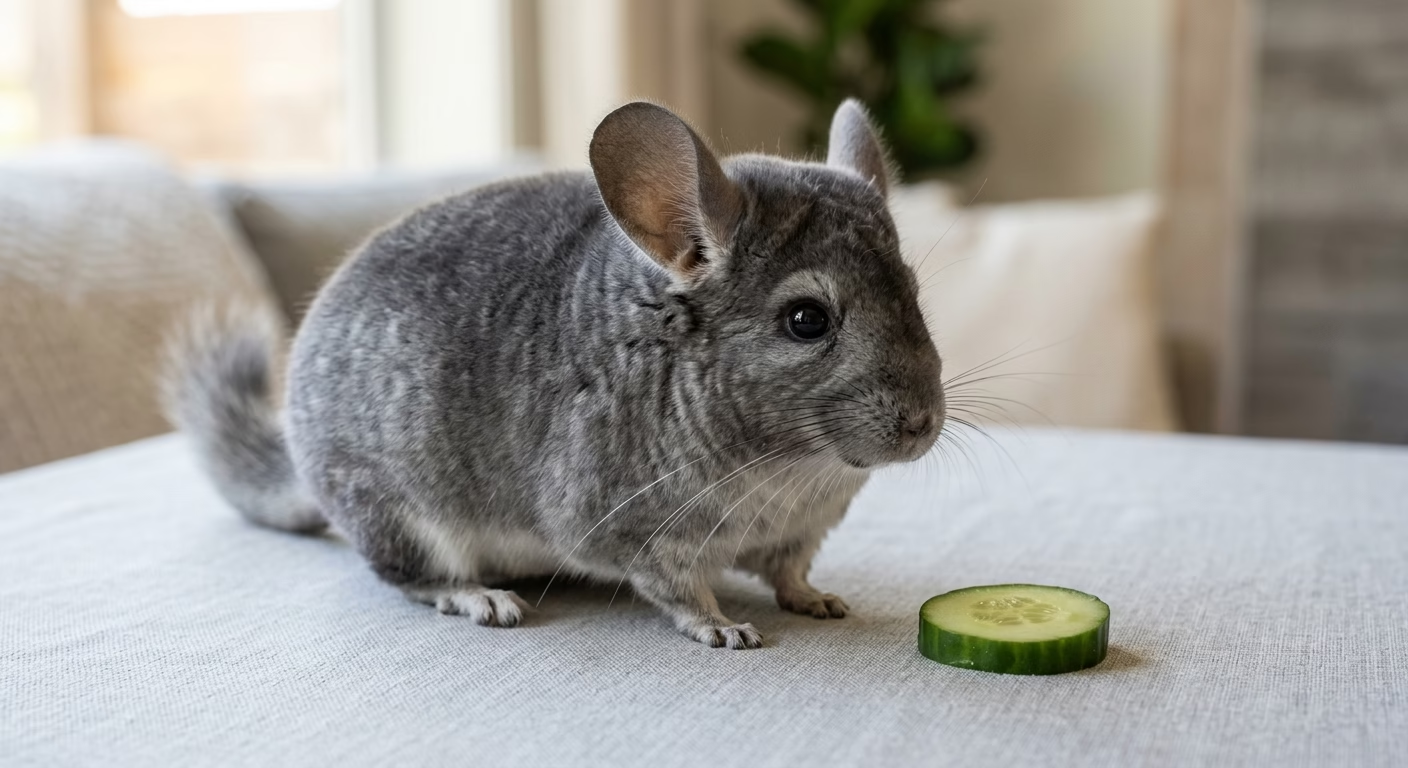
Short answer: Cucumber is not established as a toxic food for chinchillas, but veterinary guidance reviewed for this article does not specifically recommend cucumber as a routine treat. Chinchillas have a sensitive digestive system and need a diet built around high-quality grass hay, with a small amount of species-specific pellets and carefully chosen fresh foods. Because cucumber is very watery and is not listed among the example vegetables in the veterinary feeding guidance reviewed here, it is not a food I would make a regular part of a chinchilla’s diet.
Can Chinchillas Eat Cucumber?
The important distinction is between “not known to be poisonous” and “recommended as a suitable food.” Those are not the same thing.
In the veterinary sources reviewed for this article, cucumber is not singled out as a recommended chinchilla food. Instead, guidance consistently emphasizes a high-fiber diet based mainly on grass hay. Merck Veterinary Manual lists small amounts of fresh vegetables such as bell peppers, carrot tops and celery, while RSPCA guidance emphasizes hay and grass-based pellets and recommends only limited treats. Merck Veterinary Manual’s chinchilla diet guide and the RSPCA chinchilla diet guidance are useful references for the overall feeding pattern.
So, rather than saying “cucumber is definitely safe” or “cucumber is poisonous,” the evidence supports a more cautious conclusion: cucumber is not a necessary food, and there is not enough chinchilla-specific evidence to recommend it as a regular treat.
Why a Hay-Based Diet Matters
Chinchillas are adapted to a high-fiber diet. Their teeth grow continuously, so chewing fibrous food such as long-strand grass hay helps provide the mechanical wear their teeth need. Fiber is also important for normal digestive function.
Merck Veterinary Manual recommends unlimited timothy hay and a small amount of chinchilla pellets, while RSPCA guidance likewise places good-quality hay at the center of the diet. The Merck Veterinary Manual overview of chinchillas also describes their high requirement for dietary fiber.
This is why a food should not be judged simply by whether a chinchilla will eat it. A treat can be palatable while still being a poor fit for the animal’s normal nutritional needs.
What About the High Water Content?
Cucumber contains a lot of water compared with hay and other dry foods. That does not automatically make it dangerous, but it does make cucumber very different from the foods that form the foundation of a chinchilla’s diet.
Chinchillas should always have access to fresh drinking water. Research on chinchilla water intake also shows that water intake is influenced by the water content of food and other factors, so vegetables should not be treated as a substitute for normal drinking water.
A study of companion chinchillas found species-specific patterns of water intake and emphasized the importance of considering water and feed together when evaluating nutrition. You can read the study on PubMed.
Does Cucumber Cause Diarrhea?
It is too strong to say that cucumber automatically causes diarrhea in chinchillas. The veterinary evidence does not support a universal claim like that.
What is established is that chinchillas have sensitive digestive systems and that inappropriate feeding, high-carbohydrate diets, sudden dietary changes and some fresh greens can contribute to digestive problems. Merck notes that diarrhea or soft feces can occur with inappropriate feeding of fresh greens and sudden changes in diet.
That means the sensible approach is to avoid making a new watery food a major part of the diet, especially if your chinchilla has previously had digestive problems.
What Should Chinchillas Eat Instead?
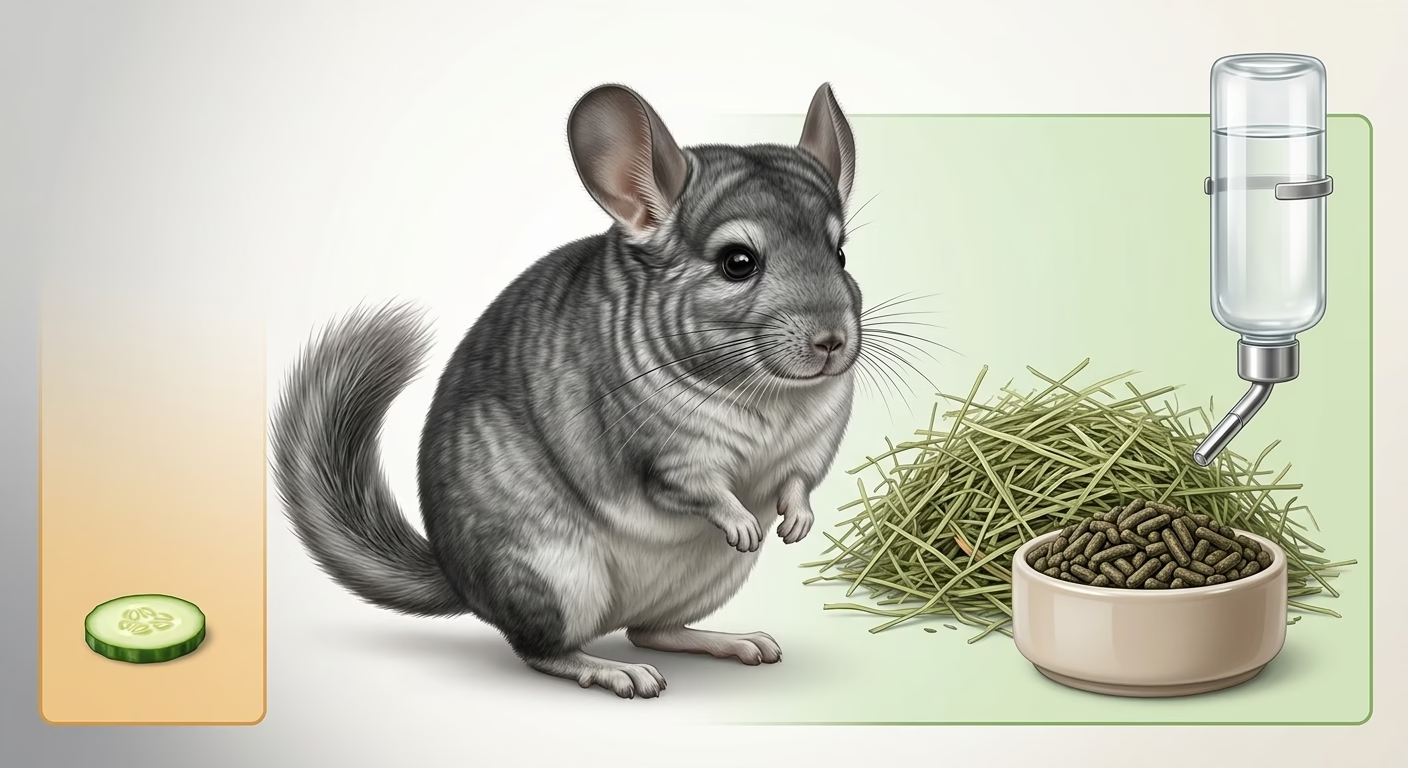
If your goal is to give your chinchilla a healthy diet, focus on the foods with the strongest veterinary support rather than trying to provide lots of different human foods. For a broader guide, see what chinchillas can and cannot eat and our chinchilla vegetable diet guide.
| Food | Role in the diet |
|---|---|
| Grass hay | Main food; provide freely and keep it fresh. |
| Chinchilla pellets | Small measured amount of a species-specific diet. |
| Fresh water | Available continuously and changed regularly. |
| Fresh vegetables | Only in the small amounts appropriate for the individual diet and veterinary guidance. |
| Fruit/treats | Limited; they are not nutritionally necessary. |
Merck’s chinchilla care checklist includes a small amount of fresh vegetables as part of its care guidance, while the RSPCA recommends a hay-based diet with grass-based pellets and limited treats.
If Your Chinchilla Already Ate Cucumber
If your chinchilla has already eaten a small piece of cucumber, do not panic. A single small exposure does not mean the food was toxic.
Remove any remaining cucumber and return to the normal diet. Then observe your chinchilla’s appetite, activity and droppings.
Contact a veterinarian promptly if your chinchilla develops concerning signs such as:
- stopping eating
- markedly reduced or absent droppings
- persistent diarrhea or very soft feces
- unusual lethargy
- a hunched or painful posture
- breathing difficulty
Merck Veterinary Manual explains that digestive problems can be associated with reduced appetite, diarrhea or lack of droppings, and the RSPCA advises owners to contact a vet promptly when eating, drinking or droppings change.
Should You Peel Cucumber or Remove the Seeds?
There is not enough chinchilla-specific veterinary evidence to claim that cucumber seeds or peel are uniquely dangerous to chinchillas. Older internet advice often presents these details as firm rules without showing supporting evidence.
The bigger question is whether cucumber belongs in the diet in the first place. Based on the veterinary guidance reviewed here, it makes more sense to prioritize hay and established chinchilla foods rather than trying to optimize the preparation of an unnecessary treat.
Can Chinchillas Drink Cucumber Water?
No. Do not use cucumber-infused water as a replacement for normal drinking water.
Your chinchilla should have continuous access to clean, fresh drinking water. The purpose of drinking water is reliable hydration, not adding flavor to the water.
What Do Veterinary Sources Actually Recommend?
The most useful point from the evidence is not a cucumber-specific yes or no. It is the overall dietary pattern.
- Merck Veterinary Manual: hay is very important, with species-specific pellets and selected fresh foods in limited amounts. It also warns that sudden dietary changes can cause digestive problems.
- RSPCA: good-quality hay should make up the majority of the diet, with grass-based pellets and limited treats. It also advises avoiding nuts and seeds and avoiding sudden diet changes.
- VCA: chinchillas need a high-fiber diet with grass hay as the main component and species-specific pellets as a supplement. Its chinchilla feeding guidance also advises caution with people food.
These sources do not establish cucumber as a required or especially beneficial food. That is important because many older pet blogs list individual fruits and vegetables as though every item has been specifically tested in chinchillas.
Frequently Asked Questions
Can chinchillas eat cucumber every day?
No. There is no veterinary basis in the sources reviewed here for feeding cucumber every day. Hay should remain the main component of the diet.
Is cucumber toxic to chinchillas?
Cucumber is not identified as a chinchilla toxin in the veterinary sources reviewed. However, that does not make it a recommended staple food.
Can baby chinchillas eat cucumber?
Do not introduce cucumber to a young chinchilla simply because it is a fresh vegetable. Young animals have specific nutritional needs, so discuss new foods with an exotic-animal veterinarian first.
Can chinchillas eat cucumber skin?
There is not enough chinchilla-specific evidence to make a strong claim that cucumber skin is uniquely harmful. The more important issue is that cucumber itself is not necessary for a chinchilla’s diet.
Can chinchillas eat other vegetables?
Some veterinary guidance allows small amounts of selected fresh vegetables. Merck, for example, lists bell peppers, carrot tops and celery. Do not assume that every vegetable is appropriate, and introduce dietary changes gradually.
Research & Further Reading
- Merck Veterinary Manual — Diet for a Chinchilla
- Merck Veterinary Manual — Chinchillas
- Merck Veterinary Manual — Routine Health Care for Chinchillas
- Merck Veterinary Manual — Chinchilla Care Checklist
- RSPCA — What to Feed a Pet Chinchilla
- VCA Animal Hospitals — Chinchillas: Feeding
- PubMed — Water consumption in small mammals including chinchillas
Bottom Line
Can chinchillas eat cucumber? A tiny accidental piece is not a reason to assume poisoning, but cucumber is not a food that current veterinary guidance reviewed here specifically recommends for chinchillas. Because their diet is specialized and strongly centered on high-fiber hay, there is little reason to make cucumber a regular treat.
If you want to offer fresh food, use foods that are supported by your veterinarian or established chinchilla feeding guidance, introduce anything new slowly, and keep hay at the center of the diet.