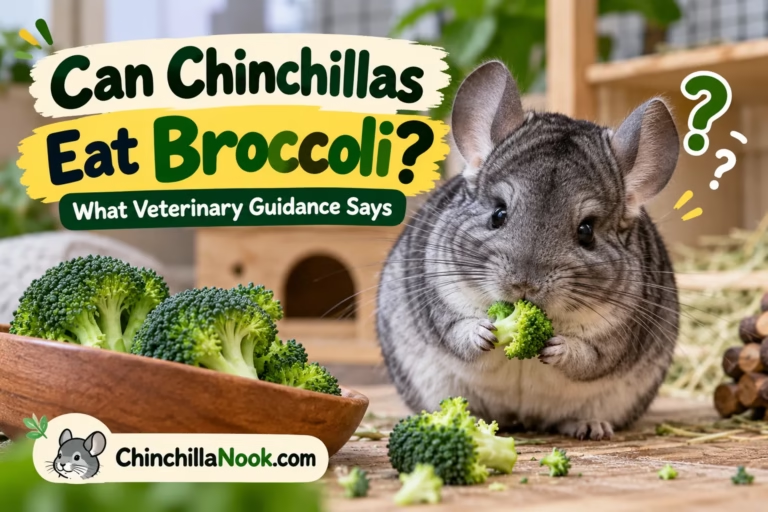
Fruit is not a nutritional requirement for pet chinchillas. Their everyday diet should be built around high-quality grass hay, with an appropriate chinchilla pellet as a supplement. Merck specifically gives fresh apple or pear as examples of occasional treats and says fruit should remain below 10% of the diet. VCA likewise describes a small piece of high-fiber fruit such as apple as an occasional treat. The evidence is narrower than the long “safe fruit” lists commonly published online.
Quick Answer: What Fruit Can Chinchillas Eat?
- Fruit is optional. Chinchillas do not need fruit to meet their nutritional requirements when they are eating a complete, appropriate diet.
- Fresh fruit is the better-supported option. Merck gives fresh apple or pear as examples of occasional treats.
- Dried fruit is best avoided. Merck advises avoiding dried fruits, and VCA says dehydrated fruits and vegetables can cause severe digestive disturbance.
- Do not use a generic weekly serving rule. The sources reviewed do not provide a chinchilla-specific “one piece” or “1–2 times per week” rule that applies to every fruit.
- Hay remains the foundation. Fresh grass hay should be available every day and is important for fiber and normal tooth wear.
Why Fruit Is Not a Core Part of the Chinchilla Diet
Chinchillas have a high requirement for dietary fiber. Merck says their diet should consist mainly of high-quality grass hay, while RSPCA also identifies hay as the majority of the diet. Hay provides the long-fiber chewing that helps support normal digestion and wear down continuously growing teeth. Learn more about the overall chinchilla diet.
Fruit is different. It is not a substitute for hay. Merck’s chinchilla-specific guidance allows occasional fresh apple or pear and says fruit should remain below 10% of the diet. That figure should not be interpreted as a target or recommendation to feed fruit regularly; the same guidance emphasizes hay as the main food.

Which Fruits Have the Strongest Veterinary Support?
The useful distinction is between fruits specifically mentioned by a veterinary source and fruits that are simply repeated on general pet websites. For this guide, the strongest examples are the fruits named directly in the sources reviewed.
| Fruit | What the evidence says |
|---|---|
| Apple | Merck gives a slice of fresh apple as an example of an occasional treat. VCA also gives apple as an example of high-fiber fruit that may be offered occasionally. |
| Pear | Merck gives fresh pear alongside apple as an example of an occasional treat. |
| Other fresh fruits | Do not automatically treat a fruit as appropriate just because it appears on a generic chinchilla food list. Check the individual fruit and your veterinarian’s advice. |
This is why individual fruit articles on ChinchillaNook should be treated as separate evidence checks rather than assuming that every fruit has the same nutritional or digestive profile.
Fresh Fruit vs Dried Fruit
This distinction deserves special attention because veterinary sources do not all give identical advice. Merck says to avoid dried fruits, and VCA advises against dehydrated fruits and vegetables because they can cause severe digestive system disturbance. RSPCA, however, currently lists small amounts of dried fruit among possible treats.
Because the guidance conflicts, it would be misleading to describe dried fruit as universally toxic. There is also no nutritional need to use dried fruit when hay and an appropriate diet are already providing what a chinchilla needs. For an evidence-first approach, ChinchillaNook does not recommend making dried-fruit treats routine.
What About Bananas, Blueberries, Strawberries, Grapes, Mango and Other Fruits?
These fruits generate many chinchilla-related searches, but search popularity is not veterinary evidence. The veterinary sources reviewed for this guide specifically identify apple and pear as examples of occasional fresh fruit, while giving much less fruit-specific guidance for many other fruits.
That means the evidence-based approach is simple: do not expand the fruit list just because a food is commonly recommended online. For fruits such as banana, blueberry, strawberry, grape or mango, this guide does not manufacture a “safe” label where the reviewed chinchilla-specific sources do not provide one. Consider the individual fruit, the chinchilla’s current diet and health, and your exotic-animal veterinarian’s advice.
Can Fruit Cause Digestive Problems?
Yes, a sudden dietary change can cause digestive upset. Merck specifically notes that chinchillas have sensitive stomachs and that new foods introduced too quickly can cause wet or sticky droppings and gas. This is one reason fruit should remain occasional rather than becoming a regular substitute for hay.
If a chinchilla stops eating, has a marked reduction in droppings, or shows other concerning changes after eating something new, do not assume the problem is simply a food intolerance. Contact an exotic-animal veterinarian.
Foods This Guide Does Not Recommend
- Dried or dehydrated fruit: Merck and VCA advise avoiding it, although RSPCA guidance differs.
- Fruit-based mixes: Do not assume a commercial treat mix is appropriate simply because it contains fruit.
- Large or regular fruit portions: Fruit is not a substitute for hay.
- Unverified “toxic fruit” lists: Do not label a fruit toxic without species-specific evidence.
Bottom Line
Chinchillas do not need fruit as part of their everyday diet. Their diet should be built around high-quality grass hay, with appropriate pellets and other foods according to veterinary guidance. If you choose to offer fruit, keep the role of fruit small and occasional. Fresh apple or pear are examples specifically mentioned by Merck, while dried fruit should be avoided according to Merck and VCA.
The evidence-based approach is simple: each individual fruit should be evaluated against the available veterinary evidence rather than treated as automatically safe or unsafe. Guidance can differ between sources, so when evidence is limited or conflicting, your exotic-animal veterinarian is the appropriate source for advice about your individual chinchilla.
How to Introduce a New Fruit
- Keep the normal diet stable. Hay and the usual appropriate diet should remain the foundation.
- Introduce only one new food at a time. Merck advises introducing new foods slowly over several days because sudden changes can cause digestive problems.
- Use only a small amount. Veterinary sources describe fruit as an occasional treat, not a meal.
- Watch eating and droppings. Changes in appetite, drinking, or droppings can be important health signals.
- Stop and seek veterinary advice if concerning signs develop. RSPCA advises contacting a vet promptly if eating or drinking changes or droppings become reduced or stop.
Frequently Asked Questions
Do chinchillas need fruit?
No. Fruit is optional. A chinchilla’s everyday diet should be centered on high-quality grass hay and an appropriate pellet diet.
What fruit is specifically mentioned by veterinary guidance?
Merck specifically gives fresh apple and pear as examples of occasional treats. VCA also gives apple as an example of a high-fiber fruit that can be offered occasionally.
Can chinchillas eat dried fruit?
Guidance differs. Merck and VCA advise avoiding dried or dehydrated fruit, while RSPCA allows small amounts of dried fruit as treats. Because fruit is optional anyway, avoiding routine dried-fruit treats is the conservative evidence-first approach.
Can chinchillas eat bananas?
Banana is frequently listed on general pet websites, but the chinchilla-specific veterinary guidance reviewed for this article does not specifically recommend it. Do not treat an online safe-fruit list as a veterinary recommendation.
How often should chinchillas eat fruit?
Veterinary sources describe fruit as an occasional treat rather than a required part of the daily diet. Merck says fruit should make up less than 10% of the diet, but this should not be interpreted as a target or universal weekly serving schedule.