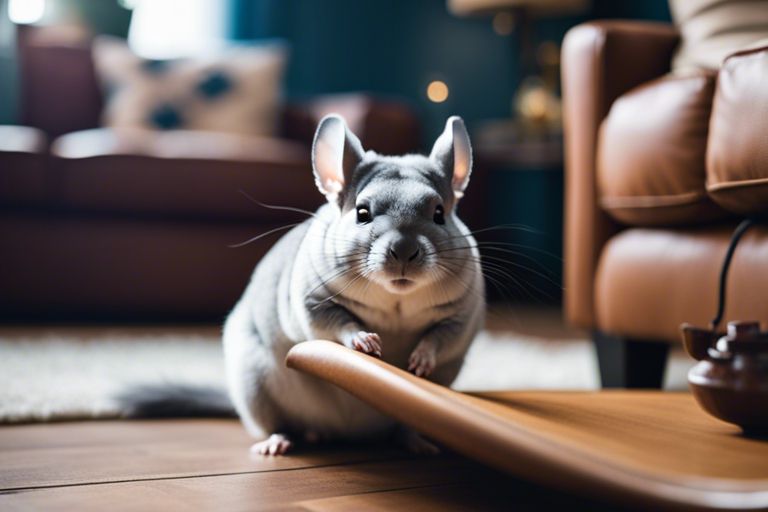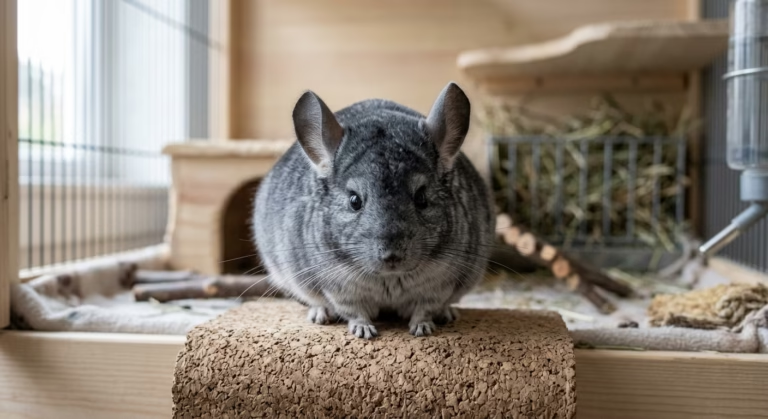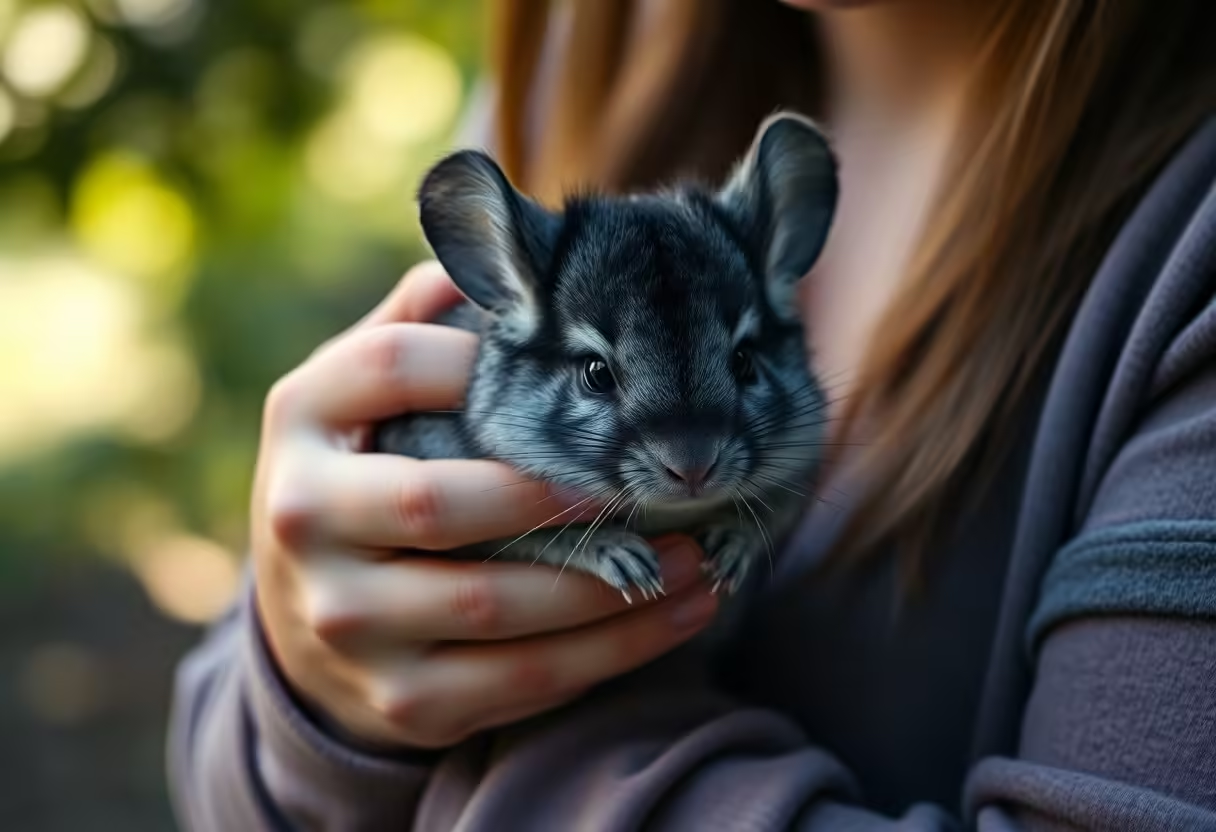
Chinchillas should be handled gently and calmly, and many do not enjoy being picked up. The safest approach is to reduce the need for chasing or restraint: let your chinchilla approach when possible, prepare a secure area, and use a calm two-handed hold only when handling is necessary. Rough handling can trigger fur slip, in which a large patch of fur is released. Current veterinary guidance recommends supporting the body and avoiding rough or stressful restraint.
For routine interaction, focus on trust and voluntary contact rather than making daily handling the goal. If you need to catch a loose chinchilla, prioritize a quiet, enclosed route back to its cage or a secure carrier.
Key Takeaways
- Approach slowly and calmly: Avoid sudden movements or loud noises, which can startle your chinchilla and make handling more difficult.
- Support the body: If you must pick up your chinchilla, support its body underneath and keep the hold gentle and secure.
- Set up a safe environment: Block off hiding spots and ensure the room is free of hazards before attempting to catch or handle your pet.
- Trust-building is key: Daily interaction and positive reinforcement make handling less stressful over time.
- Prepare before you handle: Have the carrier ready and make the room secure so you do not need to chase your chinchilla.
Understanding Chinchilla Behavior and Instincts
Chinchillas are prey animals and can be easily startled. RSPCA guidance notes that they often struggle when picked up and tend to do better when familiar people allow them to approach on their own terms. Their behavior also varies with age, personality and previous experiences. Understanding normal chinchilla behavior helps you recognize when a reaction is fear or stress rather than stubbornness.
Flight Response Mechanisms
When frightened, chinchillas may try to flee, hide or freeze. They can also experience fur slip when stressed, improperly handled or overexcited. Merck Veterinary Manual recommends calm, gentle handling to reduce this risk. Avoid chasing your chinchilla around the room or grabbing at its fur.
Social Temperament and Trust Building
Trust develops through predictable, gentle interactions. Let your chinchilla investigate your hand rather than immediately trying to pick it up. RSPCA guidance notes that familiar chinchillas can enjoy interaction with people, while many still resist being held. The goal is not to make every chinchilla enjoy restraint; it is to make necessary handling as calm and brief as possible.

Setting Up the Right Environment for Safe Handling
Before you attempt to catch or handle your chinchilla, create a safe, controlled space to reduce stress and prevent injuries.
Room Preparation
- Clear Hazards: Remove electrical cords, small objects, or toxic plants that could pose a risk.
- Block Hiding Spots: Use barriers like cardboard or pet gates to prevent access to tight spaces or under furniture.
- Close Doors and Windows: Ensure all escape routes are sealed, and the room has gentle ventilation without drafts.
Optimal Room Conditions
There is no evidence-based handling formula that requires a particular humidity, lighting level or exact time of day. What matters is a quiet, secure and comfortable environment. Chinchillas are sensitive to heat; Merck Veterinary Manual gives an adapted ambient range of about 18.3–26.7°C (65–80°F) and warns that higher temperatures, especially with high humidity, can cause heatstroke. Follow your veterinarian’s advice for an individual animal.
Avoid direct sunlight or loud sounds, as these can easily stress your chinchilla. A calm, cool environment helps them feel secure during handling.
What to Have Ready Before Handling
You usually do not need special protective equipment to handle a healthy chinchilla. The most useful preparation is environmental: have a secure carrier ready when transport is needed, close doors and escape routes, remove hazards, and keep the room calm. A soft towel may be useful for veterinary-directed restraint, but routine restraint should not be unnecessarily prolonged.
Merck specifically describes calm handling and body support as the priority. RSPCA also recommends handling close to the ground and away from furniture or shelves where a startled chinchilla could jump and injure itself.
Building Trust with Your Chinchilla
Building a trust-based relationship with your chinchilla makes handling easier and less stressful over time.
Initial Contact Methods
- Sit Near the Cage: Spend 15–20 minutes daily near your chinchilla’s cage, allowing it to get used to your presence.
- Hand Inside the Cage: Without touching, place your hand near your chinchilla to let it sniff and investigate at its own pace.
- Soft Speech: Speak quietly to help your chinchilla become familiar with your voice, which can be comforting over time.
Positive Reinforcement Strategies
- Offer Treats: Use approved, low-sugar treats to encourage your chinchilla to approach. Offer treats only when your pet is calm to reinforce relaxed behavior.
- Reward Calm Interactions: If your chinchilla willingly climbs onto your hand or approaches you, reward it with a treat to create positive associations with handling.

Methods for Catching and Handling a Chinchilla
Hands-Free Methods
- Using a Carrier or Box: Place the carrier in the chinchilla’s cage or near it, and use treats to encourage them to enter on their own.
- Luring with a Dust Bath: Place a dust bath near the chinchilla; they may feel comfortable enough to enter, making it easier to transport them back to their cage.
- Guiding with a Tunnel: Many chinchillas feel safer in a tunnel. Use a small, enclosed tube to gently guide them in, then carry the tube carefully to avoid sudden movements.
Direct Handling Techniques
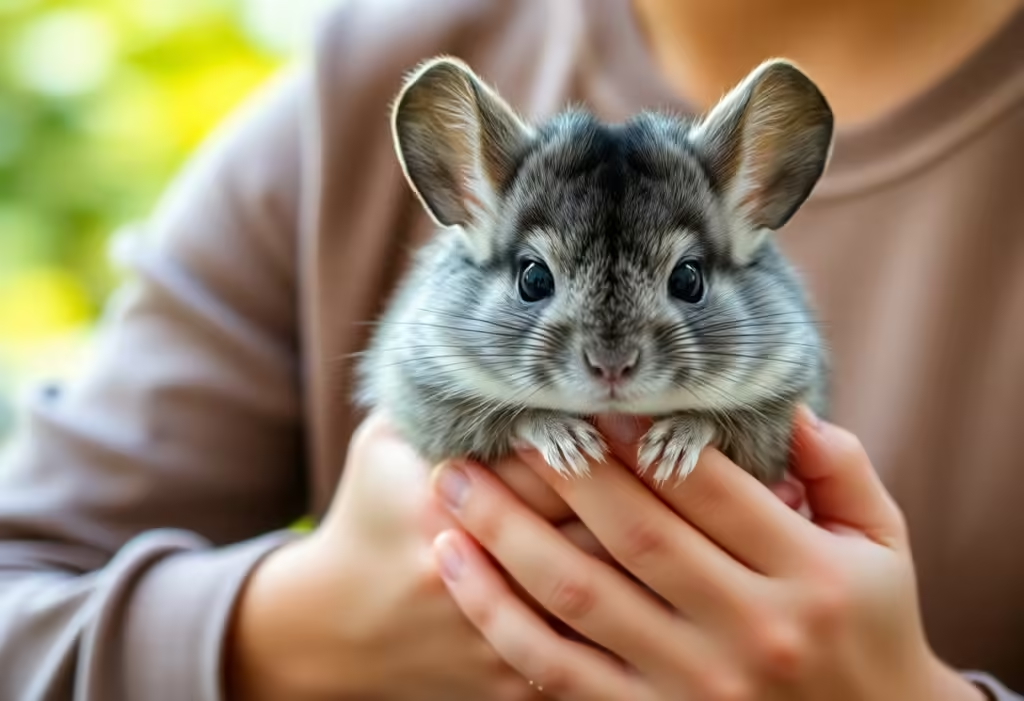
- The Scoop Method: Support the chinchilla’s body from underneath with one hand while gently cupping its chest with the other. This two-handed method helps them feel secure and prevents them from wriggling.
- Avoid Restrictive Holds: Chinchillas panic if restrained too tightly. Hold them close to your body but avoid wrapping your hands too tightly around their body.
Common Mistakes to Avoid
Avoiding certain handling mistakes can prevent unnecessary stress or injury:
- Grabbing from Above: This can trigger a chinchilla’s fear response, as it mimics predator behavior.
- Restraining Too Tightly: Tight holds can make chinchillas panic, leading to squirming or biting.
- Forcing Interaction: Allow your chinchilla to set the pace, as forcing them can damage the trust you’ve built.
Emergency Handling Techniques
In urgent situations, you may need to catch your chinchilla quickly. These techniques should be used sparingly, as they can be more stressful for the chinchilla.
Towel Method (Last Resort)
- Gently Cover with a Towel: Approach your chinchilla slowly and cover it with a soft towel, allowing you to contain it safely.
- Avoid Constriction: Keep the towel loose and only use it to guide the chinchilla into a secure carrier or back into its cage.
Humane Trap
- Set Up a Live Trap: Use a humane live trap with treats or Timothy hay as bait, especially if your chinchilla has hidden somewhere difficult to reach.
- Check Regularly: Once set, check the trap frequently to minimize the time your chinchilla is contained.
Preventing Future Escapes
To avoid repeated escapes, secure your chinchilla’s environment with escape-proof measures.
- Inspect the Cage: Check for weak latches, chewable areas, or gaps where a chinchilla might squeeze through.
- Routine Interaction: Regular handling and positive interaction reduce the chance of your chinchilla attempting to escape out of fear.
FAQ
Q: What is the best time of day to catch my chinchilla?
A: Chinchillas are most alert and receptive during their active hours—early morning or evening. Avoid handling them in the middle of the day when they’re typically sleeping.
Q: How should I properly pick up my chinchilla?
A: Place one hand under the chinchilla’s chest and support their hindquarters with the other. Avoid grabbing by the tail or limbs, which can lead to injury.
Q: What signs indicate that my chinchilla is stressed while being handled?
A: Signs of stress include rapid breathing, fur slipping, biting, or attempting to escape. Return your chinchilla to its cage if these behaviors occur.
Q: How can I train my chinchilla to be more comfortable with handling?
A: Start by offering treats and letting them approach your hand. Gradually increase handling time, rewarding calm behavior to build trust.
Q: What safety precautions should I take when handling my chinchilla outside their cage?
A: Handle in a secure, enclosed space free of escape routes or hazards. Keep a firm but gentle grip and stay low to the ground in case of sudden movements.
Long-Term Success Strategies for Handling
Establishing a daily handling routine can make a significant difference in reducing stress over time.
- Consistency: Set a regular time each day for handling to create a sense of routine.
- Gradual Progression: Start with short handling sessions and gradually increase duration as your chinchilla becomes more comfortable.
- Build Trust Through Positive Reinforcement: Regularly use treats and gentle interaction to strengthen your bond.
Conclusion
Safe chinchilla handling is less about making your pet tolerate being held and more about reducing the need for stressful restraint. Approach quietly, allow voluntary contact when possible, secure the environment before opening the cage, and support the body gently when a pickup is necessary. If your chinchilla repeatedly panics, develops fur slip, becomes unusually aggressive, or seems painful when touched, stop and speak with a veterinarian.
Research & Further Reading
Merck Veterinary Manual — Special Considerations for Chinchillas
Merck Veterinary Manual — Chinchillas
RSPCA — Caring for Pet Chinchillas: Behaviour
RSPCA — Keeping Chinchillas Together